
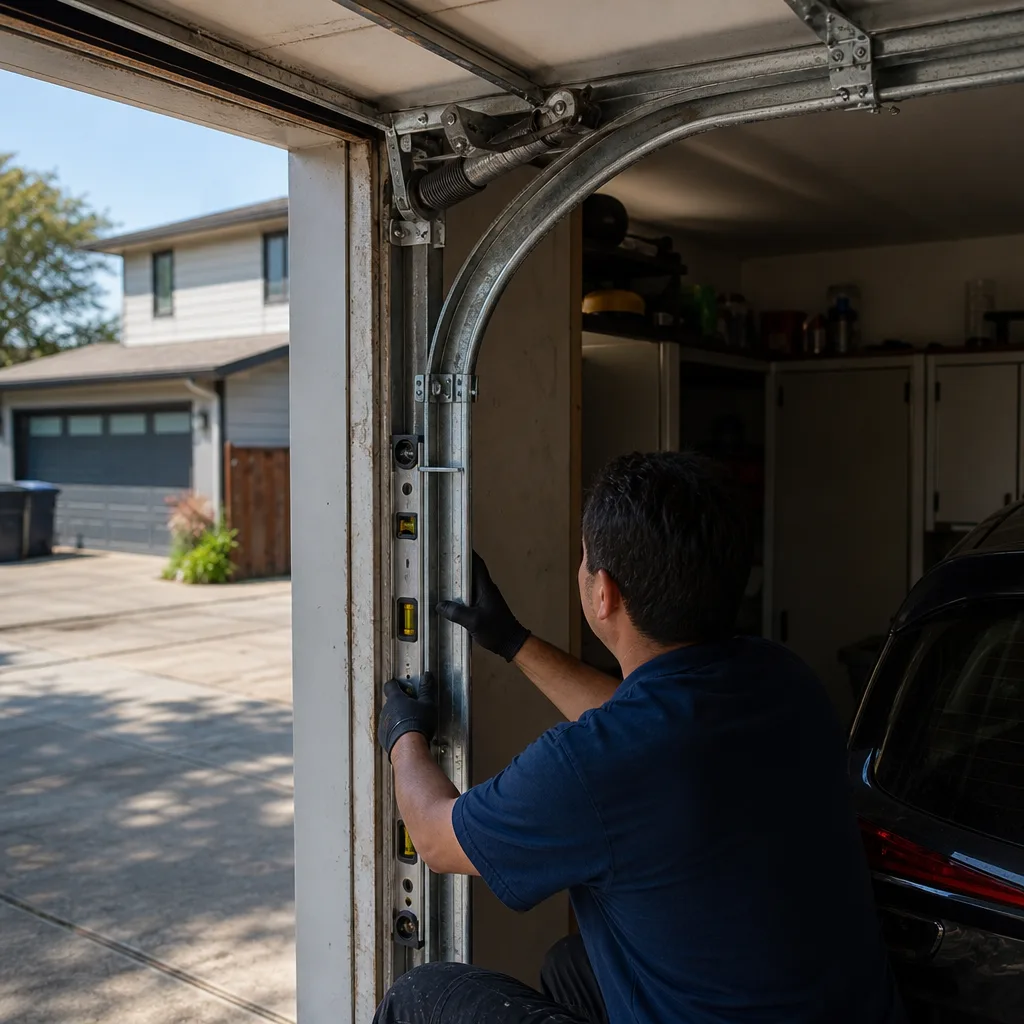
Last updated November 21, 2026
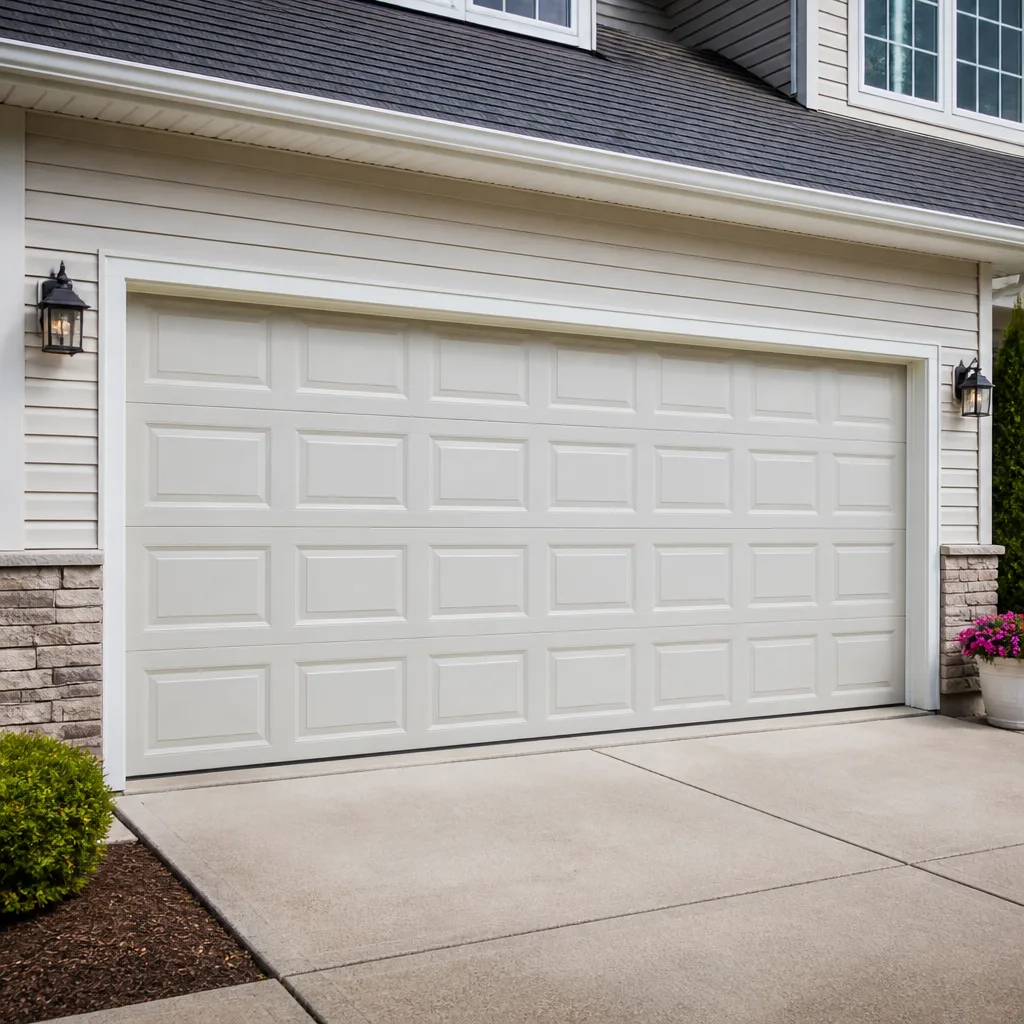 Raised-panel steel
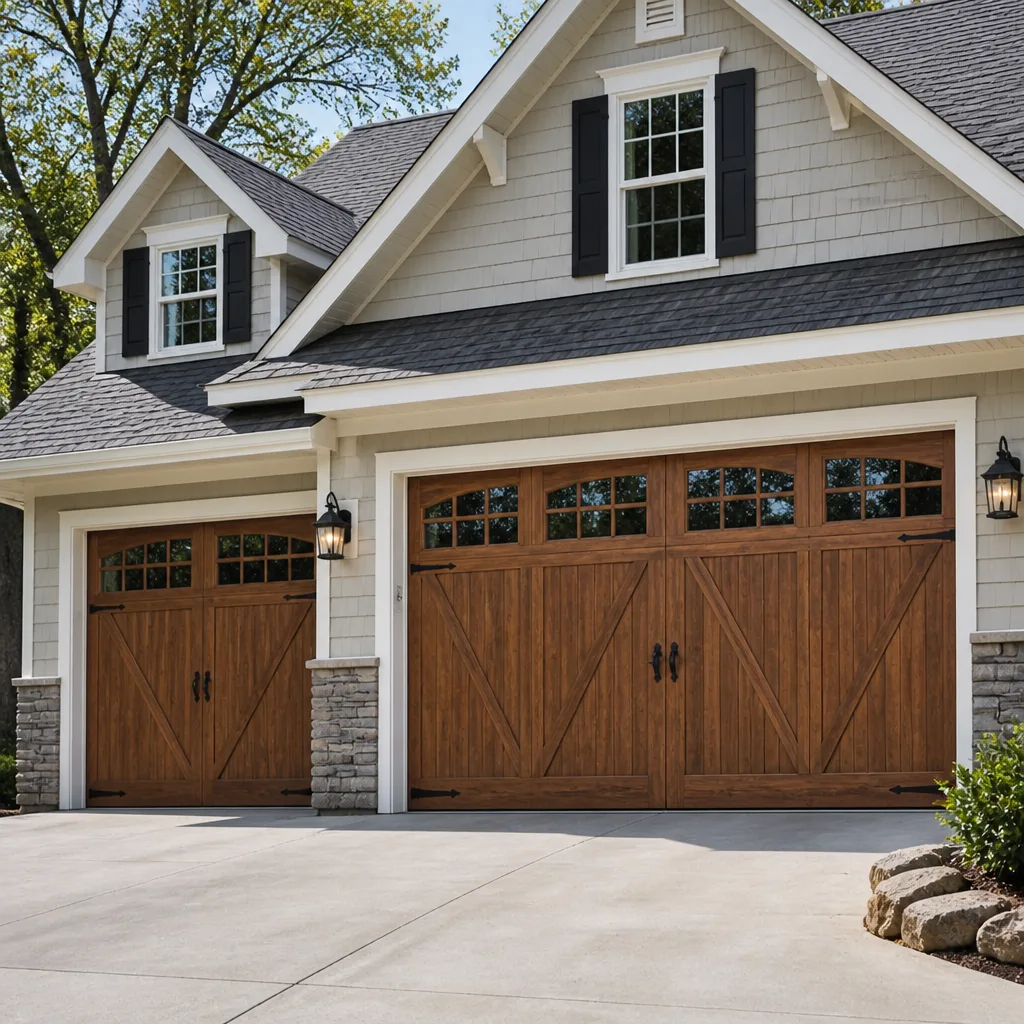 Carriage house
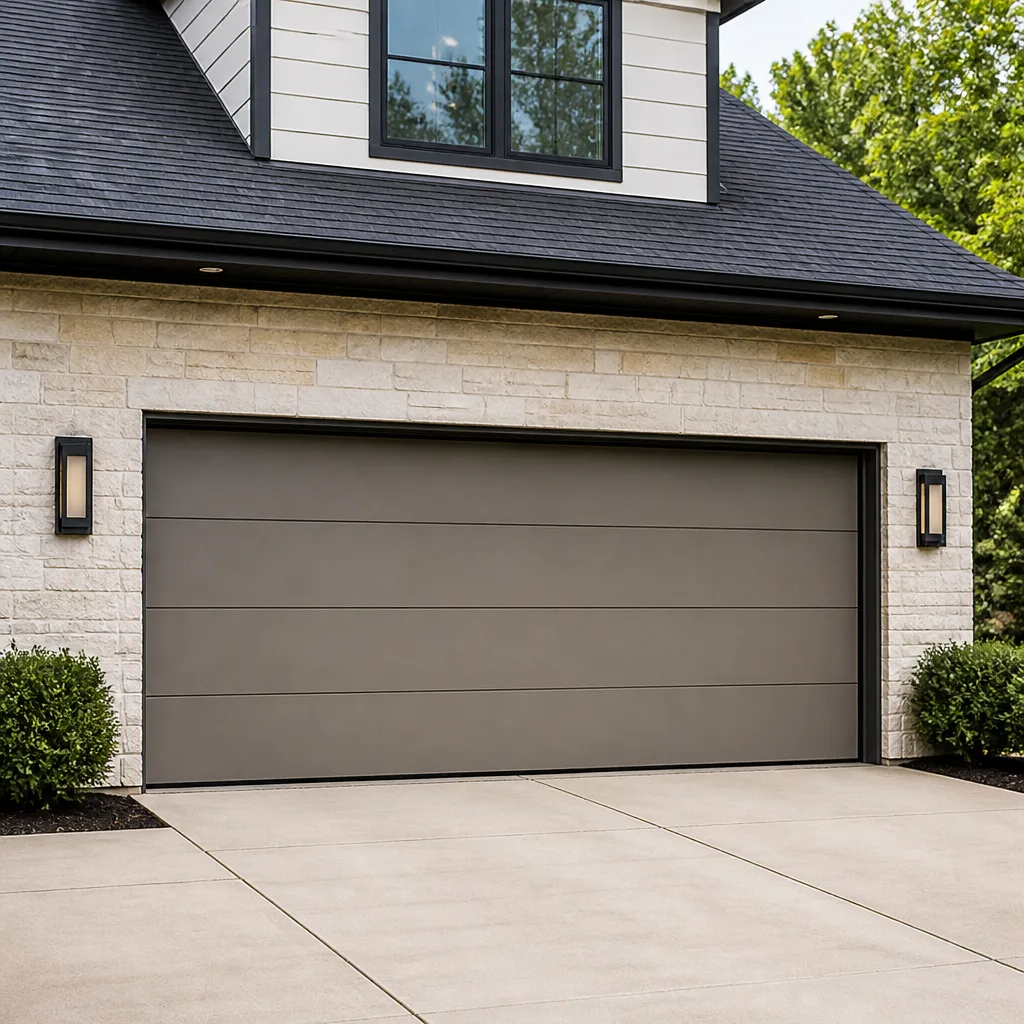 Modern flush
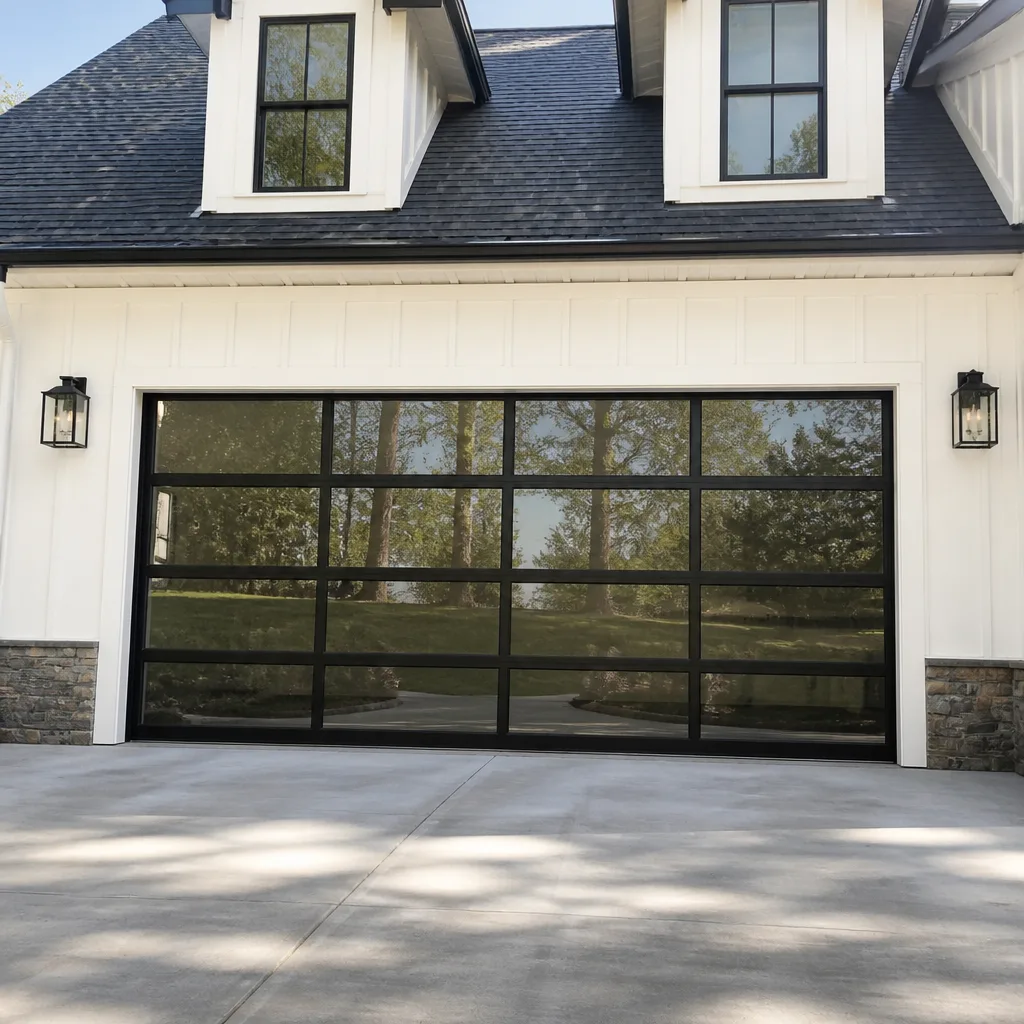 Full-view glass
 LiftMaster openers
 Chamberlain openers
Full 25-point door and opener safety check with every visit - springs, cables, rollers, tracks, and your LiftMaster or Chamberlain opener included
You get a price before we start. It does not change when the pro arrives.
Get your free estimateGarage Door Warning Signs: A The Heights Homeowner’s Reference Guide
A garage door that’s “a little slow” isn’t a quirk. It’s usually a spring losing tension, a cable fraying, or a track binding, and each of those has a failure endpoint that arrives faster than most homeowners expect. The trouble is that we treat these symptoms as isolated annoyances. A rattle here, a grind there, a door that hesitates once and then works fine for a week. Each one gets filed away as a fluke until the morning the door stops halfway up with the car trapped inside. This guide teaches you to read warnings as patterns, not one-offs. You’ll learn what each sound points to, which visual signs mean call today versus watch closely, and how to send photos for a quick triage. We work on garage doors across The Heights every day, and the failures we see almost always announced themselves first.
Quick Answer
Most garage door warning signs fall into three groups: unusual sounds (grinding, squealing, popping, rattling, banging), visible wear (frayed cables, rust on springs, gaps at the bottom seal, uneven gaps at the top), and opener behavior (a door that reverses unexpectedly versus one that doesn’t move at all). Grinding, popping, and frayed cables are same-day calls. Squealing, rattling, and a slow door can often be scheduled and monitored. The key is to treat any new symptom as an early warning rather than a one-time glitch.
Styles & brands we work with
- Raised-panel steel
- Carriage house
- Modern flush
- Full-view glass
- LiftMaster openers
- Chamberlain openers
Table of Contents
- What the Five Sounds Are Telling You
- Visual Warning Signs Homeowners Overlook
- Monitor or Call Today? Sorting the Signs
- Opener Warning Signs That Point to a Different Problem
- The Photo Checklist for Remote Triage
- How The Heights Climate and Housing Shape Wear
- A Simple Seasonal Inspection Routine
What the Five Sounds Are Telling You
Sound is the earliest diagnostic tool a garage door gives you, and each type of noise points to a specific component. When you call for garage door repair, the first thing a good technician asks is what it sounds like. Here’s why that matters.
Grinding
Grinding usually means metal-on-metal contact somewhere in the system. The common culprits are worn rollers that have lost their bearings, a torsion spring that’s begun to bind, or a track that’s out of alignment and rubbing the door’s edge. Grinding rarely fixes itself. It accelerates wear on whatever it’s touching, so a $30 roller problem can turn into a track replacement if you wait.
Squealing
Squealing is friction without metal damage yet. Dry hinges, rollers with dried-out bearings, and a torsion shaft that needs lubrication all squeal. This one is usually safe to monitor for a short while, but squealing that grows louder over a few weeks is telling you the lubrication has stopped doing its job and wear is beginning.
Popping
A single loud pop, followed by the door feeling lighter or heavier than before, is a classic sign of a torsion spring that’s broken or is about to. Popping sounds are a same-day call. Springs store an enormous amount of energy, and a compromised spring can let go with force. Don’t try to inspect or adjust it yourself. That’s work for a trained technician.
Rattling
Rattling on every open and close is usually loose hardware: hinge bolts, roller brackets, the opener’s mounting brackets, or the door’s track fasteners working loose over time. It’s rarely dangerous by itself, but loose hardware shifts load onto parts not designed to carry it. Tightening now prevents a bigger repair later.
Banging
Banging is the most serious of the five. It often signals a door coming off its track, a cable that’s snapped, or an opener struggling against a door that’s misaligned. If you hear banging, stop using the door. A door that comes down uncontrolled is a genuine safety hazard, especially if anyone walks or parks underneath it.
Visual Warning Signs Homeowners Overlook
Most of the failures we see were visible before they were audible. These four signs are the ones homeowners tend to dismiss because the door still “works.”
Cable Fraying
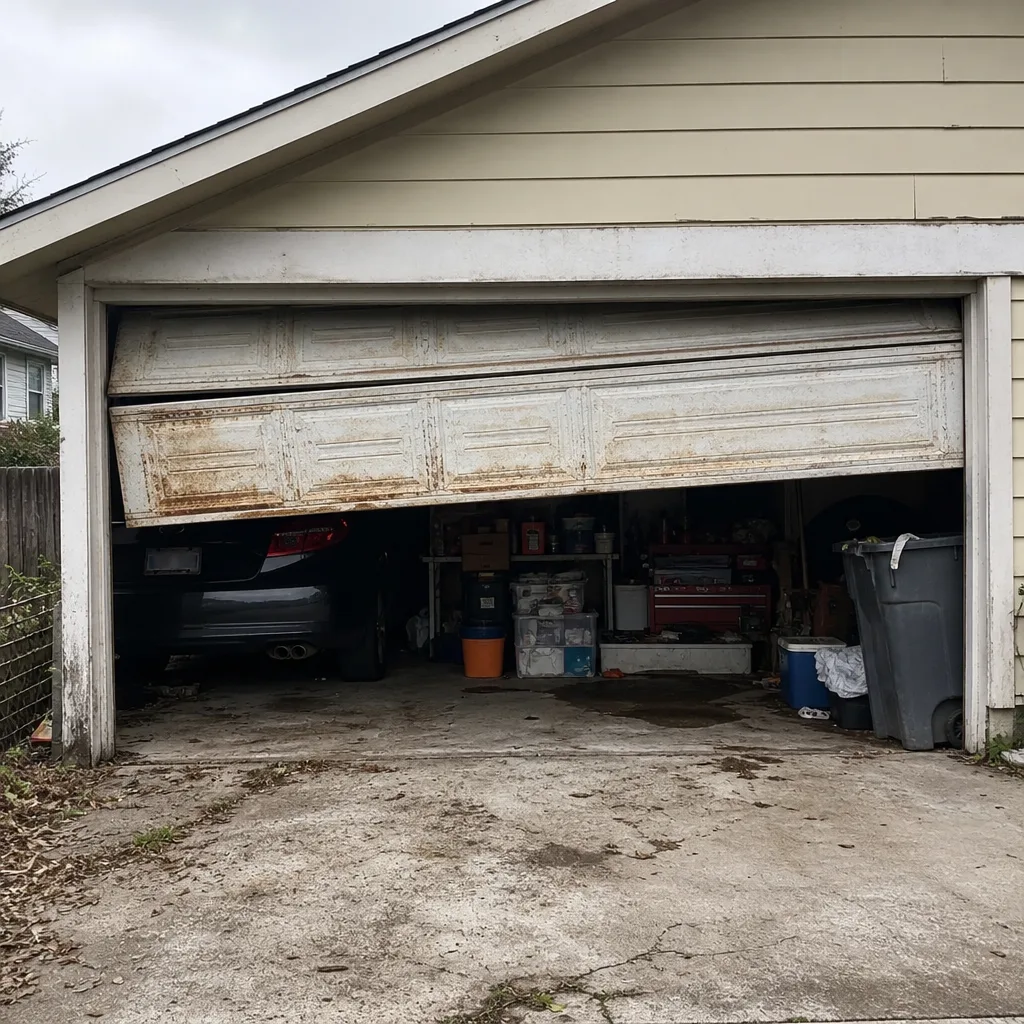
The cables run along each side of the door and lift its weight. Look for frayed strands, kinks, or a cable that’s begun to unravel near the drum at the top. A frayed cable can snap without warning, and when it does, the door drops on one side. Any visible fraying is a stop-use call.
Rust Patterns on Springs
Springs with rust spots or flakes, especially along the coil, are weakening. Rust means the metal is thinning, and a thinning spring is closer to breaking than its age suggests. In The Heights, humidity is the main contributor. If you spot rust on a spring, treat it as a prompt to get it looked at rather than a cosmetic issue.
Bottom Seal Gaps
The rubber seal at the bottom keeps out water, insects, and, in a garage, small animals. A seal that’s cracked, torn, or no longer touches the floor lets moisture under the door and lets pests in. It also adds strain to the opener, which has to work against a gap that’s letting air and debris in.
Uneven Door Gaps
Stand outside and look at where the door meets the frame on each side and along the top. A gap that’s wider on one side than the other means the door is out of level, which points to a cable or spring imbalance. Uneven gaps are an early sign that the lifting system isn’t distributing weight evenly, and that’s a pattern worth having looked at before it worsens.
Monitor or Call Today? Sorting the Signs
This is the question every homeowner actually wants answered: is this a wait-and-see or a call-now? Here’s the split we use.
Call today
- A loud pop followed by a door that won’t lift evenly
- Visible cable fraying or a hanging cable
- Banging on open or close
- A door that came off its track or is crooked in the frame
- A door that reverses on its own without hitting anything
- Rust visible on a spring coil
These are the signs where a failure endpoint could arrive in days rather than months, and where continued use risks damage to the door or injury.
Monitor and schedule
- Mild squealing that hasn’t gotten worse
- Rattling from loose hardware
- A door that’s simply slower than it used to be
- A worn bottom seal
- Occasional hesitation from an older opener
For these, get on the schedule rather than waiting for them to escalate. Mild symptoms are the cheapest ones to fix.
Opener Warning Signs That Point to a Different Problem
Opener symptoms get misread more than any other category. Two doors can both “not work” while the underlying problem is completely different.
A door that runs but doesn’t move is usually a stripped gear in the opener or a broken drive system, not a dead motor. The motor spins, but the drive can’t engage. A door that reverses unexpectedly, or reverses before it reaches the floor, is usually a safety sensor or a limit switch issue, or a door that’s binding enough that the opener detects resistance and backs off. And a door that won’t start at all is the electrical side: the opener, the wall switch, the remote, or the outlet.
Those are three separate repairs with three separate causes, and a generalist who doesn’t work on openers daily can easily misdiagnose one as the other. We work on LiftMaster, Chamberlain, and Genie systems regularly and know each brand’s failure points. When a door reverses for no apparent reason, please don’t override the safety sensors. Those sensors trigger the reverse for a reason. For anything on the opener side, call us at (855) 784-2291 for garage door opener repair.
The Photo Checklist for Remote Triage
One of the most useful things you can do before booking is send us photos. Ten minutes of snapping shots can tell a technician most of what they need to know before they ever leave for your door. Here’s what to capture:
- The whole door, closed, straight on. This shows alignment, sagging, and gaps at the sides and top.
- The spring assembly. Shoot the torsion springs or extension springs straight on so we can see rust, gaps between coils, and whether a cable has come loose.
- Each cable, top and bottom. Fraying and kinks show clearly up close.
- The bottom seal along the floor. Photograph the gap from a low angle so we can see how the seal meets the floor.
- The opener unit. Include the model label on the motor and the wall switch or panel.
- The safety sensors at the door opening. Shoot both sensors and confirm whether their indicator lights are on.
- A short video of the door opening and closing. Ten seconds is plenty, with sound, so we can hear what you hear.
Send these through with your address and a sentence on what’s happening, and you can often get a real answer about what’s likely wrong before a visit is scheduled. It saves you a diagnostic trip and it saves a technician’s time. For a full new door, this same set of photos gives us what we need to talk through garage door installation options.
How The Heights Climate and Housing Shape Wear
The Heights has its own pattern of failure that you won’t see in drier or cooler parts of the country. We’re in Houston, which means heat for much of the year and humidity that’s close to constant.
Heat is hard on springs. Metal expands and contracts with temperature swings, and the tension that holds a torsion spring in place is sensitive to that. A spring that was well-matched when installed can start to lose spring rate over years of summer heat. That’s a big part of why “a little slow” doors are common here.
Humidity is hard on everything else. Cables rust, hinges corrode, springs develop surface oxidation, and the bottom seal takes a beating from moisture coming up from the slab. Homes in The Heights also tend to have older garages with decades-old hardware and doors. A door that’s been on a house since the 1980s might have original cables, and it might be due. When a door is that age, we look at every wear component, not just the one that’s making noise.
The tradeoff is that we don’t see the freeze damage common in colder cities. That means fewer cracked springs from winter cold snaps and more gradual wear from heat and moisture. The warning signs you see in The Heights tend to unfold over months rather than overnight, which is good news: there’s usually time to catch them.
A Simple Seasonal Inspection Routine
Fifteen minutes with the door once a season catches most of what we’d otherwise see at failure. Here’s the routine we recommend:
- Listen. Open and close the door once, slowly, without anyone under it, and pay attention to the sound. Any new noise is a signal.
- Look at the cables. Run your hand along the visible cable on each side (don’t put your hand near the springs or drums). Feel for fraying, kinks, or loose strands. Look at the drum at the top for a cable that’s begun to wind unevenly.
- Check the springs. Look for rust, a gap in a torsion spring that shouldn’t be there, or a stretched extension spring. Don’t touch them. Just look.
- Test the balance. With the door about halfway up, disconnect the opener and try to hold the door in place. If it drops or rises on its own, the balance is off and a spring or cable issue is likely. Make sure no one is standing under the door while you do this.
- Walk the bottom seal. Run your foot along the seal where it meets the floor. If your foot slips under easily in places, the seal has worn.
- Test the safety reverse. Place a small object like a brick in the door’s path and close it. If the door doesn’t reverse, the sensors or opener are out of adjustment.
- Look at the hardware. Check hinges, roller brackets, and the opener’s mounting hardware for anything that’s visibly come loose or pulled away from the wall.
If any of those steps turns up a signal, stop and call. The point of the routine isn’t to fix it yourself. It’s to catch the pattern before it becomes a failure. When a door has reached the end of its life, we can talk through garage door installation so the plan is deliberate rather than reactive.
Common Mistakes to Avoid
- Treating each symptom as a fluke. A hesitation this week, a rattle next week, and a slow close the week after are likely one underlying problem. Treat clusters of symptoms as patterns, not isolated events. Homeowners lose more time ignoring the pattern than they would have spent fixing it.
- Using a door after a loud pop. A spring pop is the clearest warning you’ll get. Keep using the door and you risk a cable failure or an uncontrolled drop. Stop using the door and call.
- Overriding the safety reverse. When a door reverses for no visible reason, the safety mechanism is doing its job. Disabling it or forcing it through is how doors close on pets, bikes, or people. Get it looked at.
- Lubricating without checking. A squeak that gets worse after you’ve greased the hinges probably isn’t a lubrication issue. In Houston’s humidity, a squeak is often the first sign of a failing bearing. Adding grease doesn’t fix the underlying wear.
- Trying to repair springs yourself. Torsion and extension springs store enough force to cause serious injury when handled without the correct tools and tension. This is the single most dangerous part of the door, and it’s the one place where the right call is always “call someone.”
- Ignoring the bottom seal until it rots through. A worn seal lets water in and insects with it. It also forces the opener to work harder. Replacing a seal is cheap compared to what a stretched opener motor costs.
- Waiting to call when every other homeowner on the street has already fixed theirs. In The Heights, garages are close together and doors wear on similar timelines. If your neighbors have had springs replaced and yours are original, that’s a useful pattern clue. We can help you read it.
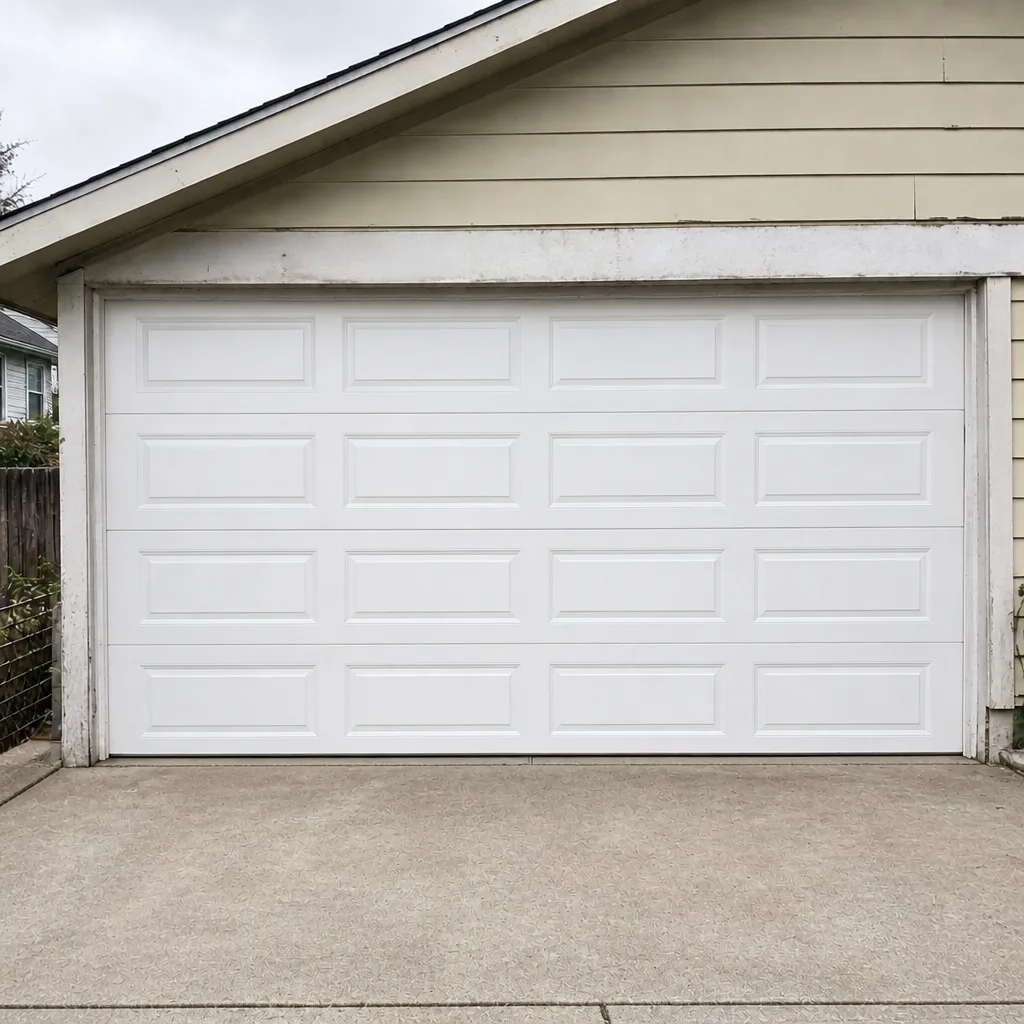
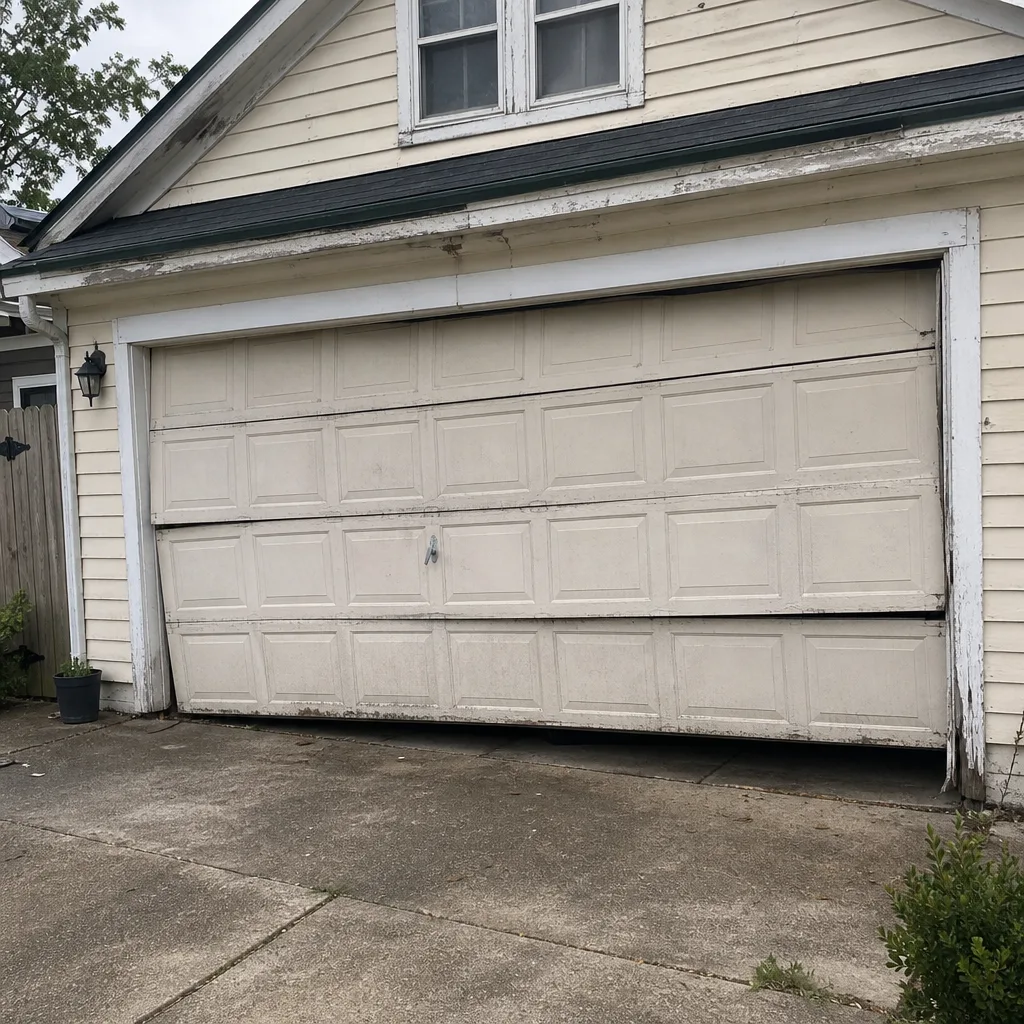
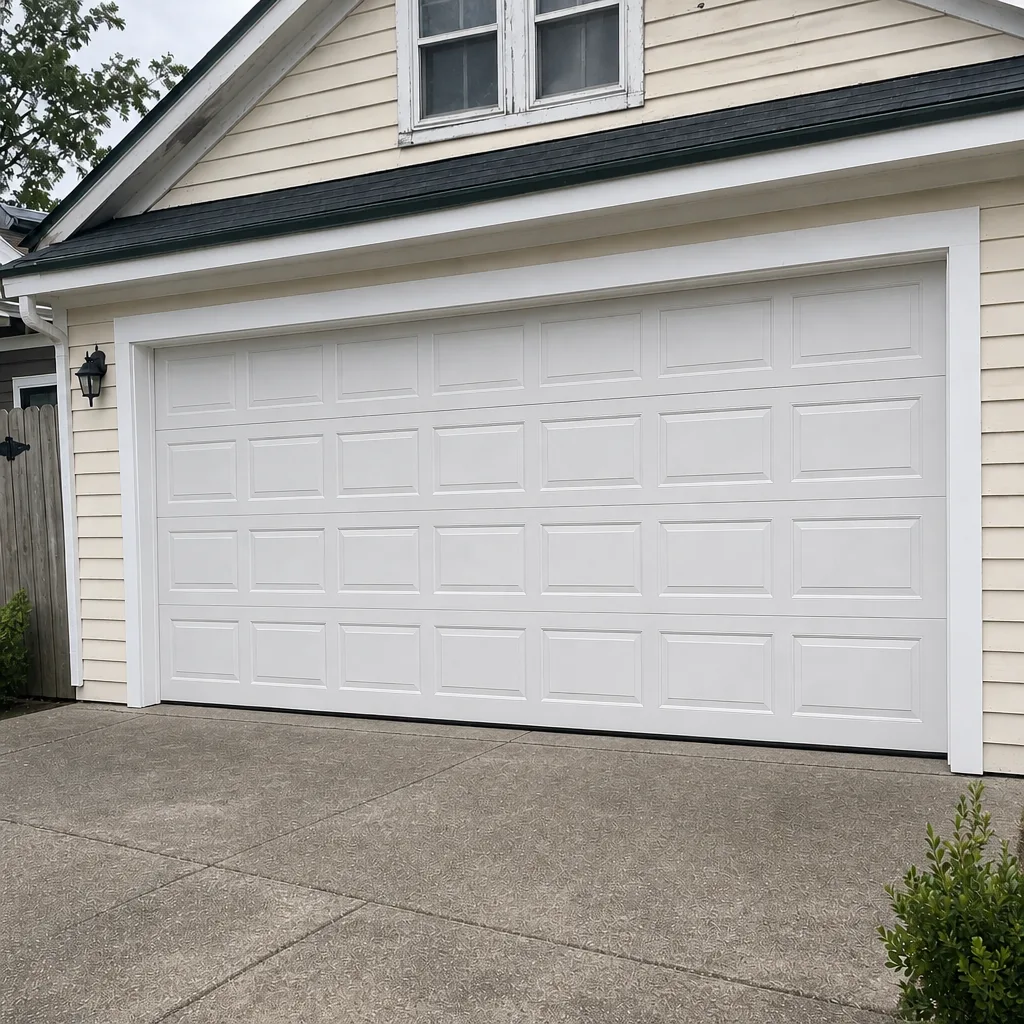
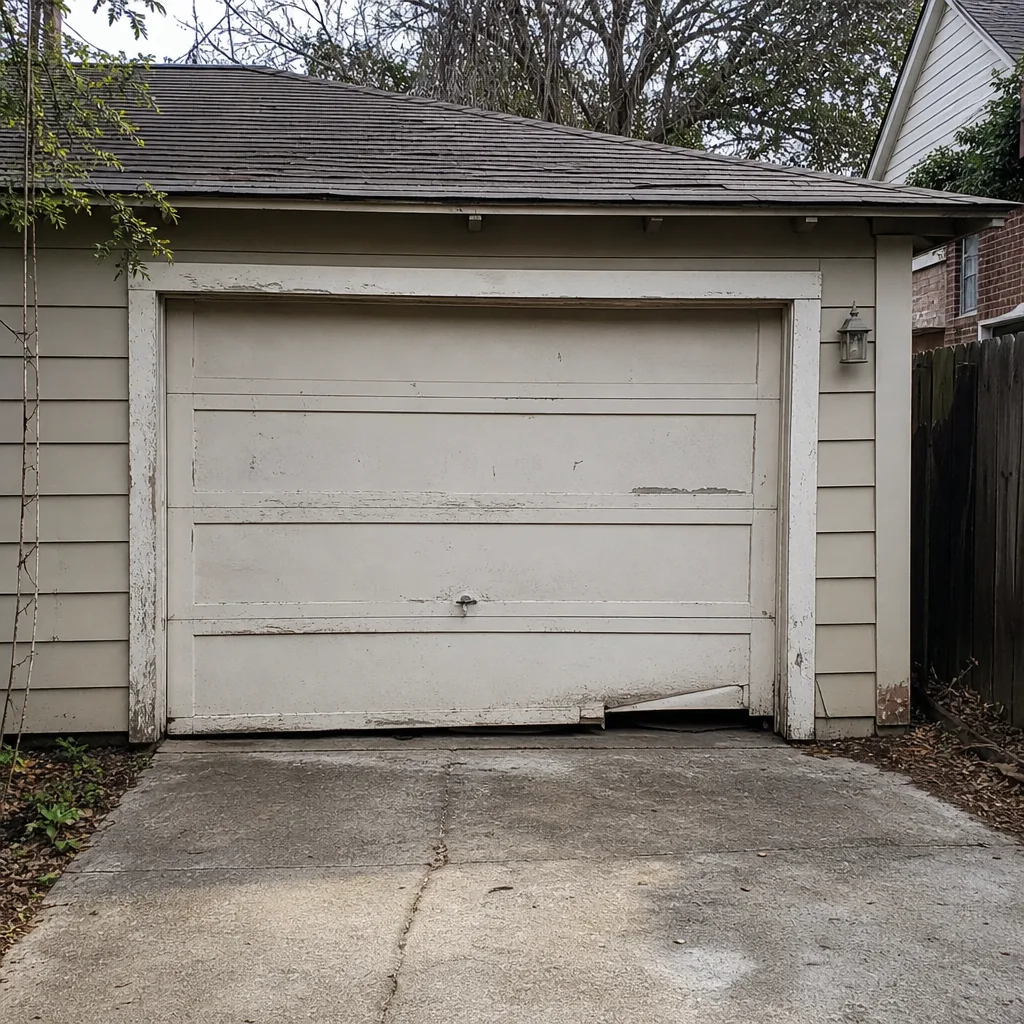
See the difference
 Before
 After
 Before
 After
 Before
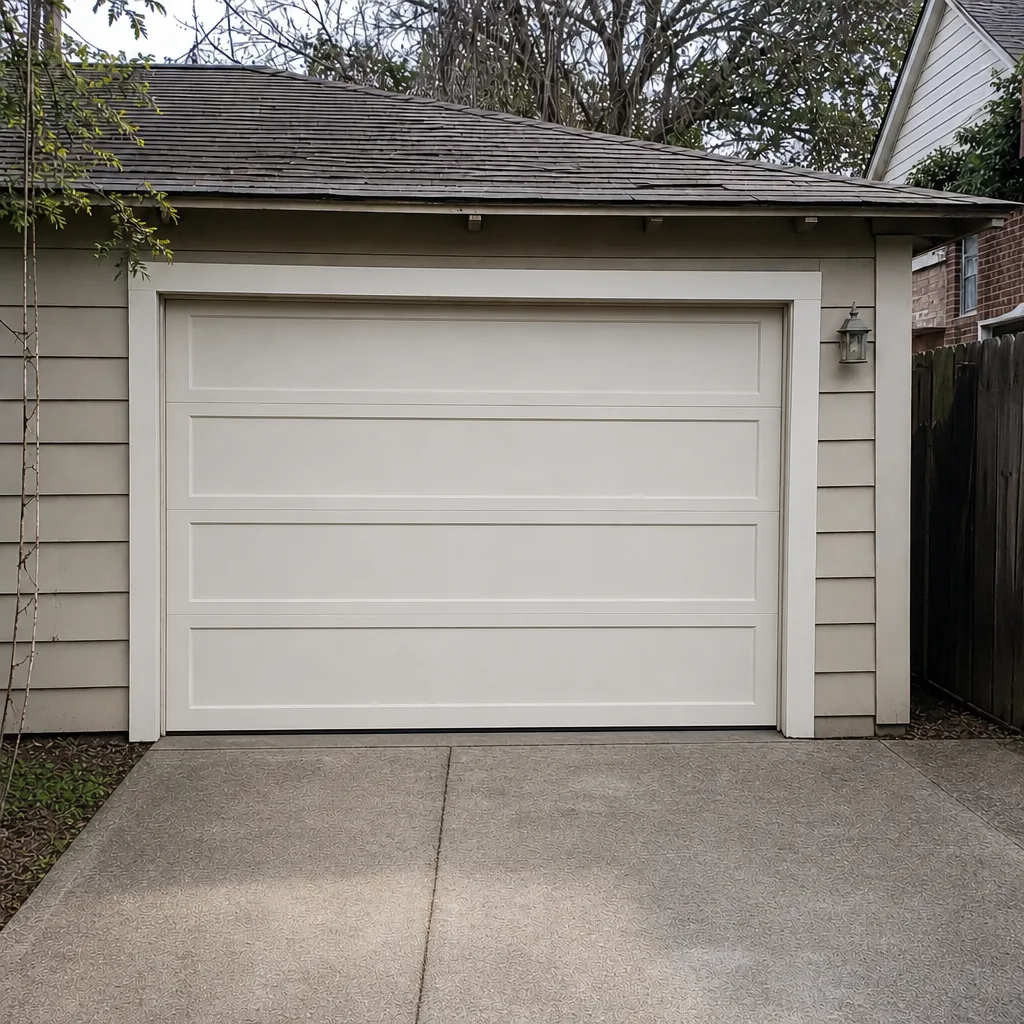 After
When to Call a Professional
Call us for any of the following: a spring that’s popped or started looking rusty, a cable with visible fraying, banging or popping sounds, a door that’s crooked or off its track, an opener that reverses unexpectedly or spins without moving the door, and anything that has left the door stuck open or closed. Also call before you attempt any repair involving springs, cables, or the opener’s electrical side, where the risk of injury is real and the right tools matter.
We work on LiftMaster, Chamberlain, and Genie openers and on doors from Clopay and Amarr. Our technicians have up to 10 years of experience, and garage doors are all we do, which means a diagnosis comes faster and with fewer return visits. Garage Door Repair The Heights offers free estimates in The Heights. Call (855) 784-2291. We answer 24/7. Fast dispatch from 7am to 7pm, Sunday through Friday. Same-day service is available. The price is quoted and agreed before any work starts, and the written estimate sets the final price.
Frequently Asked Questions
The most serious are a loud pop followed by a door that won’t lift evenly, visible cable fraying, and a door that bangs or comes off its track. Any of these means stop using the door and call. Call (855) 784-2291. We answer 24/7. Fast dispatch from 7am to 7pm, Sunday through Friday.
Spring repair typically runs in a range you’ll get from a written estimate, and that estimate is free. A matched pair of springs usually costs about twice a single-spring repair because both are replaced together. The written estimate sets the final price before any work starts. Call (855) 784-2291 for your free estimate.
Yes, same-day service is available for urgent repairs like a broken spring or a door off its track. We answer 24/7. Fast dispatch from 7am to 7pm, Sunday through Friday. A call outside dispatch hours is booked into the next opening, Sunday through Friday, 7am to 7pm.
No. The written estimate sets the final price, and the price is quoted and agreed before any work starts. If we find something else wrong when we open up the door, we’ll show you what it is and quote it before doing that work. Nothing gets fixed on a verbal “we’ll sort it out later.”
The local professionals we connect you with are licensed and insured as their state requires, and our technicians have up to 10 years of experience working on garage doors. Garage doors are all they work on, which means diagnosis is their daily work, not a sideline. Call (855) 784-2291 for a free estimate.
Heat expands metal, and expansion forces parts that were already tight against each other into more friction. A squeak that shows up in summer and goes away in winter often points to a bearing that’s drying out or a hinge that needs lubrication. It’s safe to monitor for a short period, but getting worse over weeks means it’s time to have it looked at.
The Bottom Line
Warning signs on a garage door work in patterns, not one-offs. A grind, a squeal, a rattle, and a slow close are usually telling the same story from different angles. The differences between them matter because they point to different components and different urgency. Monitor squealing and rattling, but call right away on pops, cable fraying, and banging. Watch the springs for rust and the cables for fraying before anything else fails. A photo checklist and a 15-minute seasonal routine will catch most of what would otherwise become an emergency. When you’re ready to have a door looked at, Garage Door Repair The Heights is here. Call (855) 784-2291 for a free estimate. We answer 24/7. Fast dispatch from 7am to 7pm, Sunday through Friday.
For more on the full range of what we handle, see Garage Door Repair The Heights.
Written by the team at Garage Door Repair The Heights.