
Last updated November 21, 2026
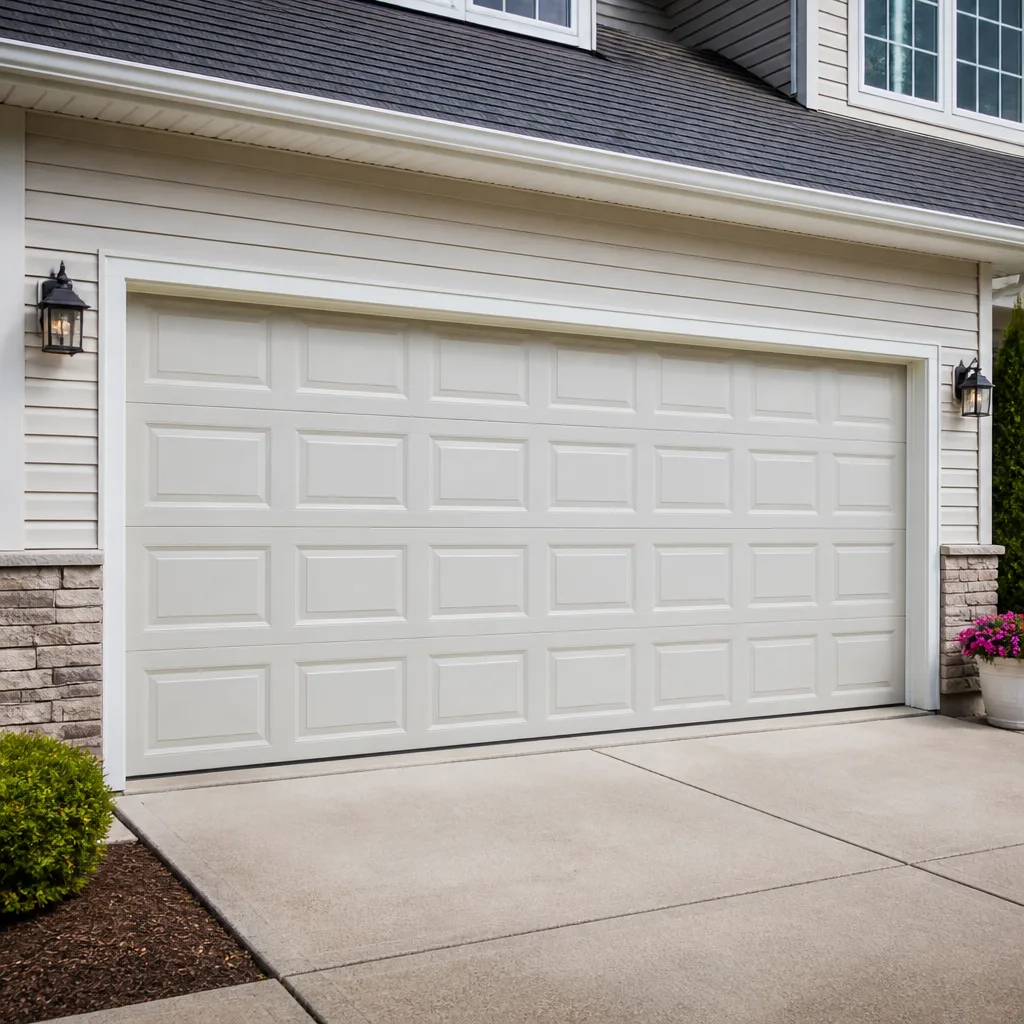 Raised-panel steel
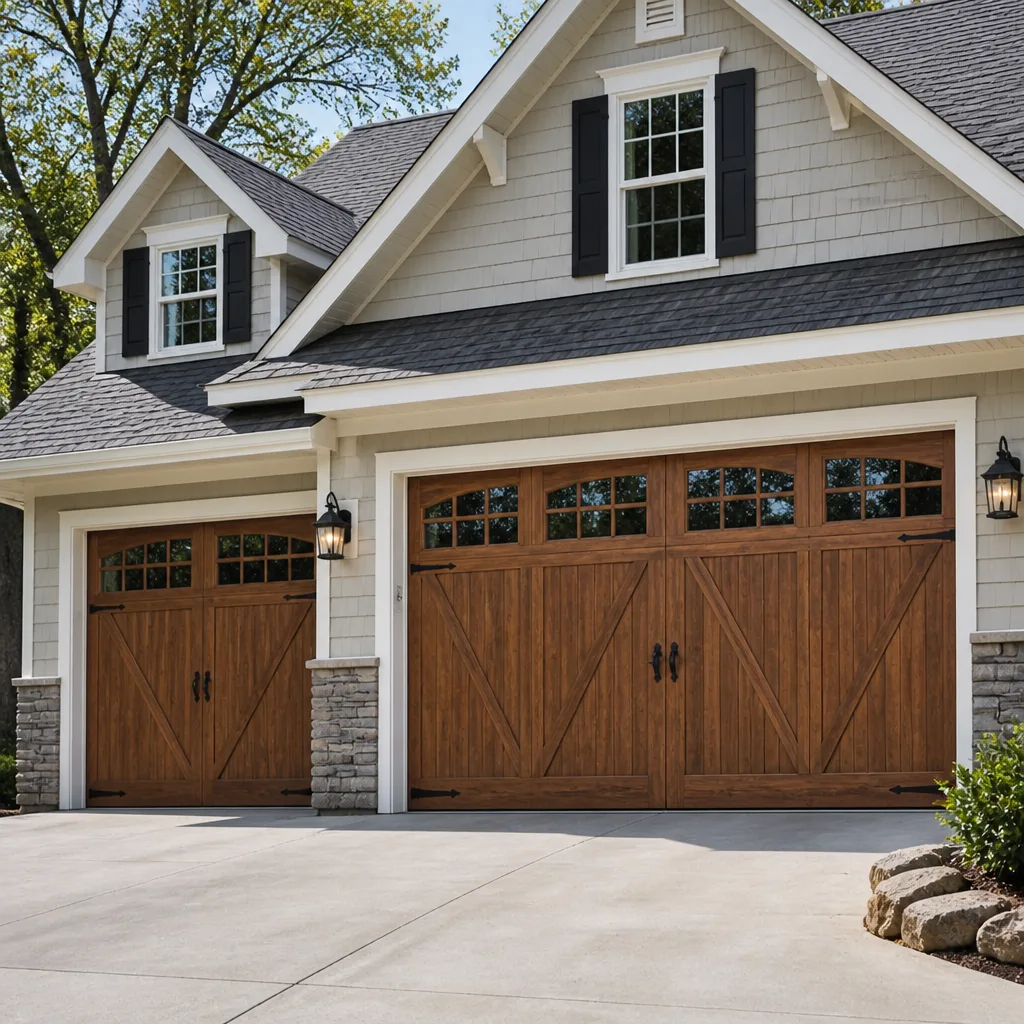 Carriage house
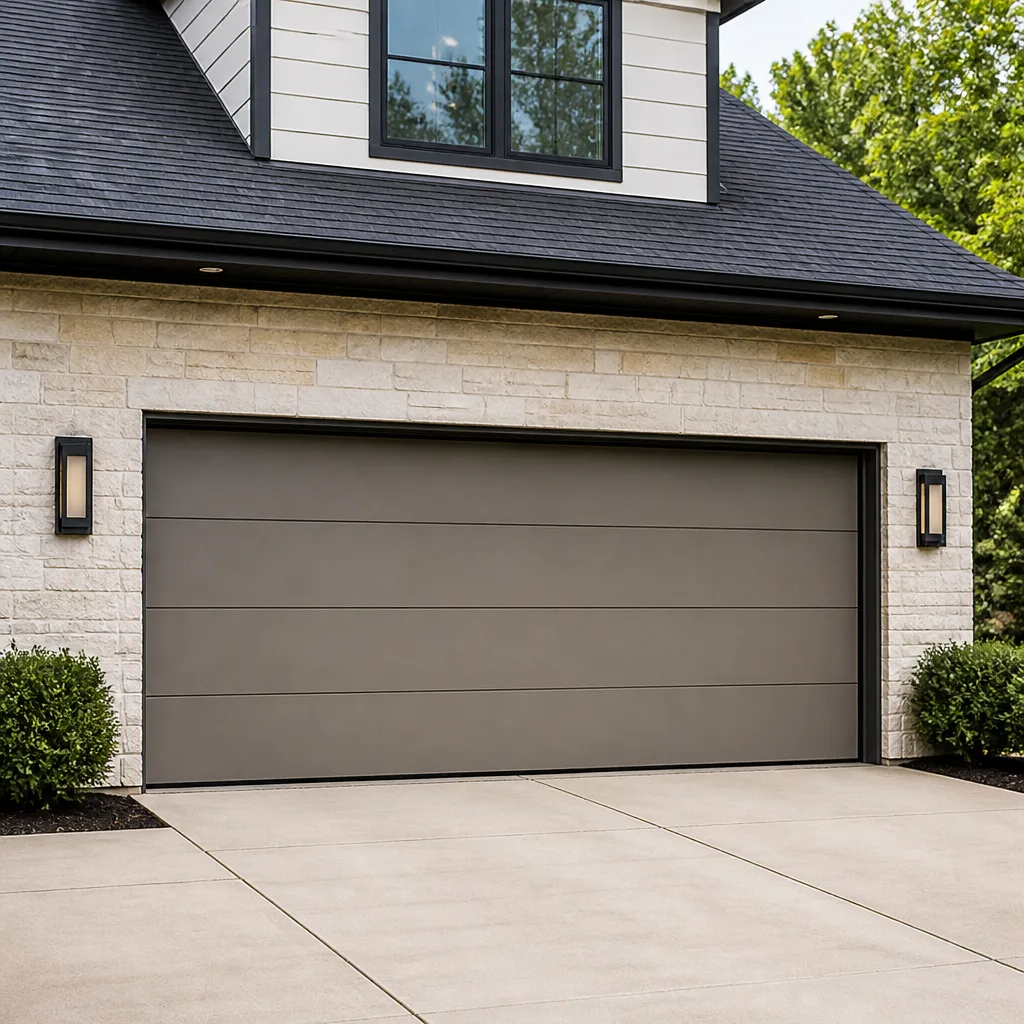 Modern flush
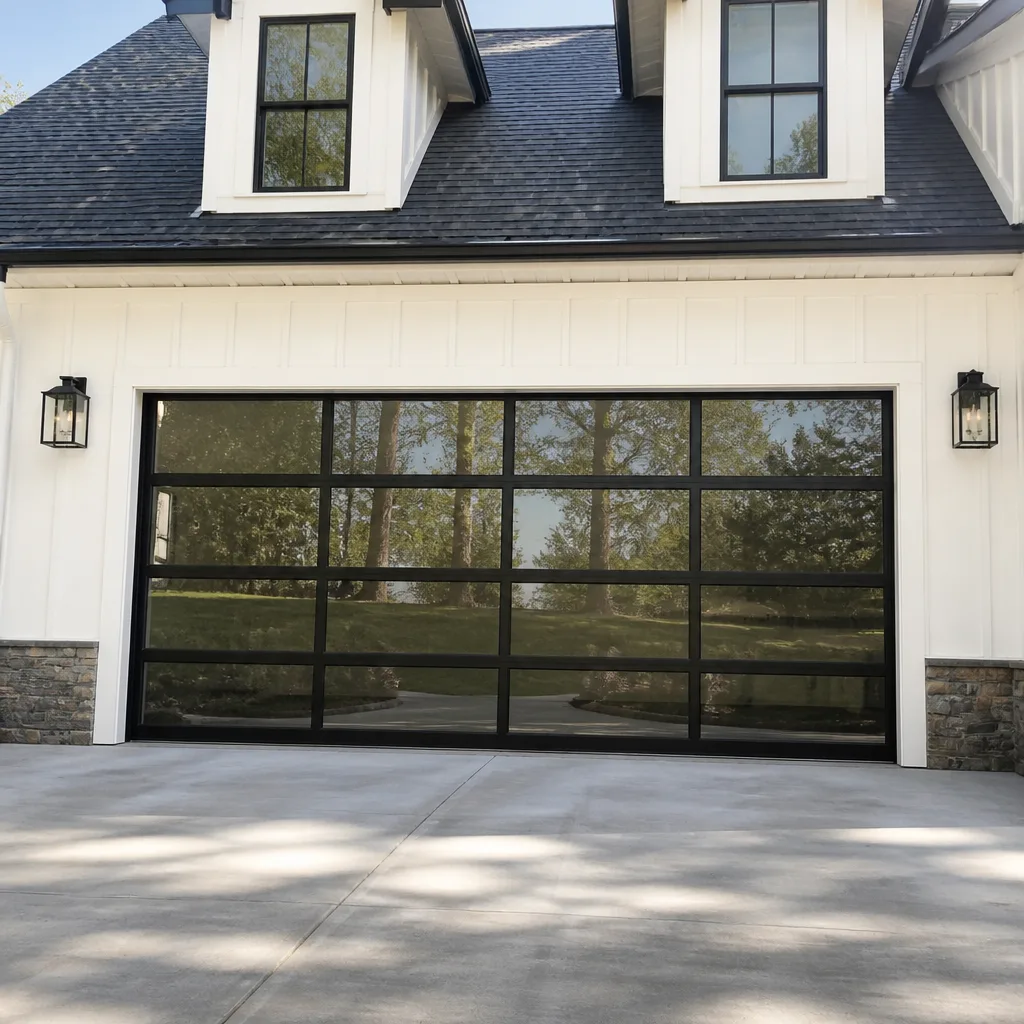 Full-view glass
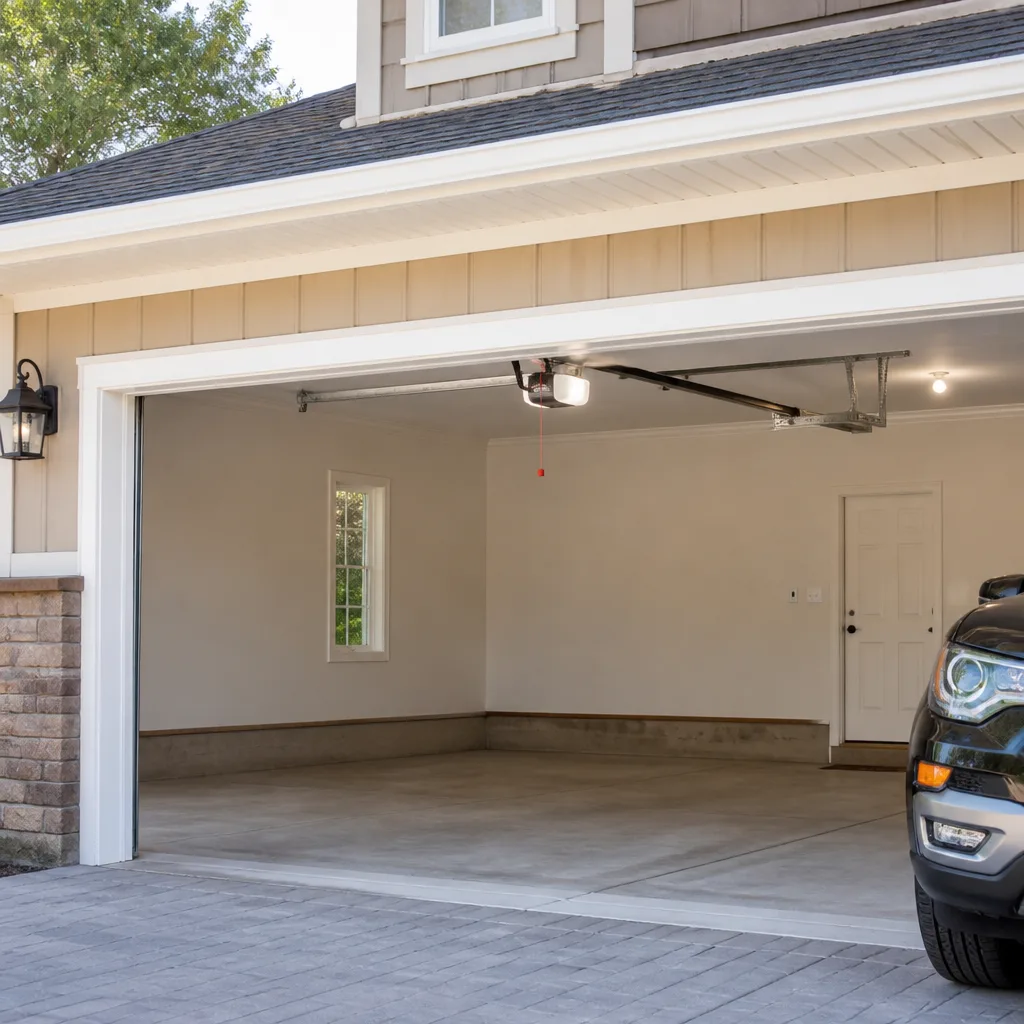 LiftMaster openers
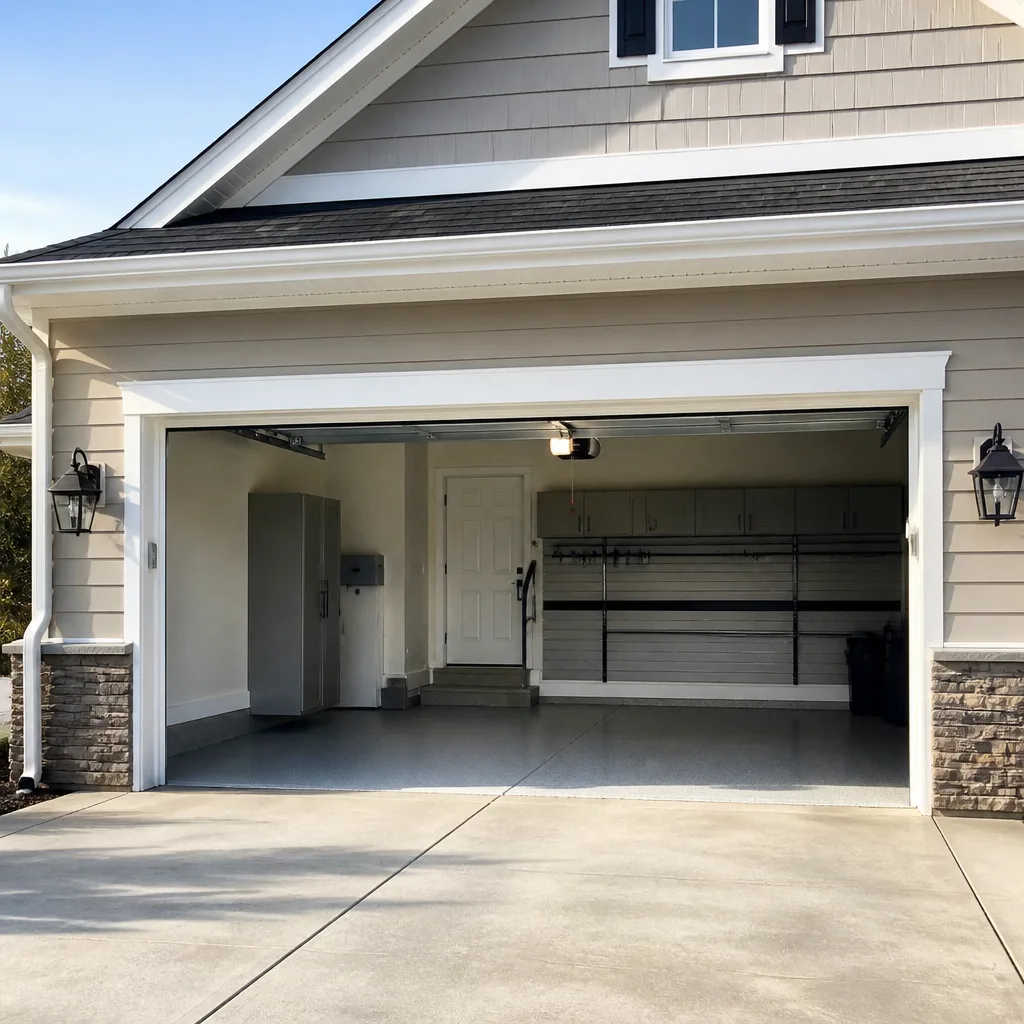 Chamberlain openers
Full 25-point door and opener safety check with every visit - springs, cables, rollers, tracks, and your LiftMaster or Chamberlain opener included
You get a price before we start. It does not change when the pro arrives.
Get your free estimateThe Complete Guide to Garage Doors in The Heights
Most garage door guides are written for a 1990s suburban tract home with a two-car attached garage. If you live in The Heights, your home probably isn’t that, and the advice probably doesn’t fit. A 1920s bungalow with a detached garage and a narrow carriage-house opening asks very different questions than a new-build infill with an attached two-car bay. The Heights is a neighborhood where those two homes can sit on the same block, and both owners are looking for straight answers about what their door needs and what it should cost. This guide covers sizing, materials, permitting, springs, and repair decisions as they actually play out in The Heights. No generic best-of lists, just the specifics.
Quick Answer
Garage doors in The Heights need solutions built around the house, not the suburb next door. Historic bungalows usually require custom or semi-custom sizing, detached garages need repair approaches that account for older framing and exposed hardware, and new infill homes often need upgraded openers and springs tuned to heavier modern doors. Houston’s humidity and summer UV load make material choice a long-term decision, and deed restrictions or City of Houston permitting can shape what you’re allowed to install. Match the door to the structure, confirm the rules before you order, and let a specialist handle springs and openers.
Styles & brands we work with
- Raised-panel steel
- Carriage house
- Modern flush
- Full-view glass
- LiftMaster openers
- Chamberlain openers
Table of Contents
- Why The Heights’ Historic Homes Change Everything About Door Sizing
- Detached Garages vs. Attached Garages: Why Repair Needs Differ
- Door Materials That Hold Up to Houston Humidity and UV
- Deed Restrictions and City of Houston Permitting When Replacing a Door
- Spring Systems by Garage Type: What Fits What
- Brand Recommendations by Garage Type
- Repair or Replace? A Decision Framework for Heights Homeowners
- What Garage Door Work Costs in The Heights
Why The Heights’ Historic Homes Change Everything About Door Sizing
The Heights has one of the largest collections of preserved early-20th-century housing stock in Houston, and bungalow and craftsman-style garages from that era were not built to today’s standard nine-foot-by-seven-foot opening. Many carry a single wide door that sits closer to eight feet in width, or a pair of narrow carriage-style doors that no off-the-shelf door will fit without modification. That’s the first thing a specialist checks when you call about a replacement. It shapes the whole project.
What that means in practice:
- Opening measurements are non-standard. Headroom, jamb depth, and spring anchor placement all vary from house to house, even between neighboring bungalows on the same street.
- Custom or semi-custom doors are common. A Clopay or Amarr semi-custom door is often the only way to match the opening while keeping the craftsman lines the house was designed around.
- Trim and header often need adjustment. Historic garages were framed for wood doors on extension springs, so switching to a modern steel door can require structural or trim work before the new door will hang correctly.
- Overhead track clearance is limited. Low-headroom situations are routine in The Heights bungalows, and the fix is usually a low-clearance track setup or a low-headroom opener, not a different door.
We’ve seen plenty of homeowners order a standard door online before measuring, only to find it won’t fit. If your home is one of The Heights’ historic properties, get the opening measured by someone who works on garage doors for a living. Non-standard openings are the norm here, not the exception.
Detached Garages vs. Attached Garages: Why Repair Needs Differ
Older lots in The Heights frequently have a detached garage set back from the house, often with a gravel or concrete alley approach. New infill construction almost always puts the garage inside the footprint of the home, attached to the main structure. The two configurations fail differently, and the repairs don’t look the same.
Detached garages (older Heights lots)
- Framing is often older and more prone to settling, so the door opening may be slightly out of square.
- Exposed hardware, including torsion springs, is more accessible but also more exposed to humidity swings.
- Extension spring systems are common, and cable length between sides can drift over time from settling.
- Wiring for openers is sometimes absent, so opener additions require more planning than in an attached garage.
Attached garages (new infill construction)
- Doors tend to be wider and heavier, often with insulated steel or aluminum panels.
- Torsion springs are standard, and openers are typically Chamberlain or Genie with safety reverse and connected features.
- Climate is controlled better by design, so warping and rust are less common but panel damage from vehicles is more common.
- Safety sensors and opener travel limits need periodic adjustment as the door settles over the first few years.
The distinction matters when you’re deciding between repair and replacement. A warped panel on a detached-garage wood door might be repairable, while the same damage on an insulated attached-garage door often means replacing the panel to keep the insulation seal intact. When a door stops opening and you’re not sure what’s wrong, we recommend calling for garage door repair rather than guessing from the driveway, because the diagnosis depends heavily on which setup you have. We work on both types of garage every week in The Heights.
Door Materials That Hold Up to Houston Humidity and UV
Houston’s humidity and summer UV load are the two things to plan around. Summer afternoons push heat onto west-facing doors hard, and humidity stays high well into fall. Each material handles that differently. There’s no universal winner, only the best choice for your garage, your budget, and how much maintenance you’re willing to take on.
| Material | Humidity & UV performance | Best fit in The Heights |
|---|---|---|
| Insulated steel | Holds up well; painted finish resists fade and swelling | New infill attached garages; humidity-sensitive spaces |
| Aluminum | Won’t rust or swell; lighter weight, less insulation value | Wide new-build openings that need low weight |
| Composite | Stable in humidity and UV once finished; higher upfront cost | Historic homes that need a wood look without maintenance |
| Wood (painted or finished) | Needs periodic refinishing; can swell in extended humidity | Historic Heights bungalows where authenticity matters |
Steel and composite win most Houston projects. Insulated steel is the workhorse for newer attached garages, and composite is the closer match for a craftsman bungalow where a homeowner wants the look of wood but not the yearly upkeep. Wood is still the right answer when the house is historic and the original lines need to be preserved. It just requires refinishing on a schedule, and anyone who tells you otherwise hasn’t lived with a wood door through a Houston summer.
Deed Restrictions and City of Houston Permitting When Replacing a Door
Replacing a garage door usually requires a permit from the City of Houston, and the exact requirement depends on scope and structure. Ask the City of Houston building department directly before ordering the door. That’s the only reliable answer, because the rule can shift based on whether you’re replacing a door in kind or changing the size of the opening.
The Heights adds a second layer that most neighborhoods don’t have: deed restrictions. Even where The Heights has no active HOA enforcing them, many blocks carry recorded deed restrictions that govern fence heights, setbacks, and architectural changes visible from the street. In practice that means:
- Check your deed. Review the recorded restrictions for your block before committing to a door style or material.
- Ask the City of Houston building department about the permit. Requirements hinge on scope, so describe the exact work and let them tell you what’s required.
- Check whether your block has an active civic association or deed restriction committee. Some do, and their input on style is worth getting early.
- Confirm the door style is defensible from the street. A modern frosted-glass panel door on a 1920s bungalow can trigger neighbor objections even when it’s technically allowed.
- Get the permit and inspections handled before install day. That’s the cleanest path to avoiding a stop-work order after the door is already on site.
We can’t decide your deed restriction for you, and we won’t pretend to. What we do is tell you what the door will physically require so you can clear the paperwork first. For homeowners going through a full replacement, our garage door installation team can walk you through the physical side while you handle the restriction and permit questions.
Spring Systems by Garage Type: What Fits What
Springs are the part of a garage door that cause the most anxiety, and they’re also the most dangerous component. Torsion springs mount above the door on a shaft and do the heavy lifting as the door travels. Extension springs stretch alongside the tracks and counterbalance the door from the sides. Which one you have depends on the garage type and the door’s weight, and swapping systems requires matching springs to the exact weight of the door, not just the opening size.
If a spring snaps, do not try to open or close the door, and do not attempt to remove or adjust the spring yourself. Torsion springs carry enough stored energy to cause serious injury, and extension springs can whip when they fail. A trained technician with the right winding bars and the correct spring rating for your door is the only safe path here. We handle this as a core service. If you’re searching for garage door repair in The Heights, a snapped spring is one of the most common reasons, and the repair itself is usually straightforward once the correct spring is on site.
Which spring system typically belongs where in The Heights
- Historic bungalow, detached garage: extension springs are common; when replacing, upgrade to a torsion system if the framing and headroom allow it.
- New infill attached garage: torsion springs are standard, and the two-spring setup on wider doors should be treated as a matched pair and replaced together.
- Heavy insulated doors: higher-tension springs are required; never substitute a lighter spring to save cost, because the door won’t balance and the opener will strain.
- Low-headroom garages: low-clearance torsion setups are often the only fit, which is a common situation in The Heights bungalows.
The wrong spring on a garage door is worse than a broken one because it hides the problem while quietly damaging the opener. We always match springs to the door’s actual weight, not to what’s cheapest to order.
Brand Recommendations by Garage Type
The brand matters less than the match between the brand and your garage type. We work across eight major brands, including LiftMaster, Chamberlain, Genie, Clopay, Amarr, Wayne Dalton, Craftsman, and Raynor, so we’re not locked into any one recommendation. What we do is match the product to the setup.
Historic bungalows and detached garages
- Door: Clopay and Amarr both offer semi-custom profiles that can be sized to narrow carriage-house openings while keeping classic raised-panel or carriage-style lines. That’s the combination most The Heights historic owners land on.
- Opener: LiftMaster is a strong fit for detached garages because the belt-drive units run quietly and the wall-mount options handle low-headroom situations well.
- Springs: torsion systems when framing allows, extension when it doesn’t, matched to the door’s actual weight.
New infill attached garages
- Door: Clopay and Amarr insulated steel doors are the standard choice; the insulation matters for the attached garage because heat migration into the home is a real cost.
- Opener: Chamberlain and Genie both work well with modern connected features, safety reverse, and the camera/battery backup options many new-build owners want.
- Springs: matched torsion pair, sized to the door weight and replaced together.
What we don’t do is recommend a brand because it pays the best. We recommend the brand that fits the garage. That’s a different approach than a big-box store, and in The Heights it’s usually the difference between a door that works for twenty years and one that fights the house from day one.
Repair or Replace? A Decision Framework for Heights Homeowners
This is where most homeowners get stuck. A repair sounds cheaper, but on a door that’s already at the end of its life, throwing money at it means paying twice. Here’s how we walk through the call on a Heights property.
- Check the door’s structural condition. Rusted-through panels, warped sections, or a cracked bottom section on a historic wood door usually point toward replacement, especially when the door is already past its useful life.
- Identify what failed. A broken spring, snapped cable, or opener failure on an otherwise sound door is typically a repair, not a replacement.
- Assess the opener separately. A modern opener on an old door is fine; a 20-year-old opener on a new door is a waste. Match the two.
- Look at structural issues in the garage itself. On The Heights’ older detached garages, a sagging header or out-of-square opening can push a “repair” into a “replace plus reframe” quickly.
- Confirm the sizing path. If the door needs any custom dimension, the decision shifts toward replacement, because custom repair components are rarely worth it.
- Get a written estimate before deciding. A specialist who works only on garage doors will give you a clear repair-or-replace recommendation without upselling either direction.
We see both extremes a lot: homeowners replacing doors that only needed a spring, and homeowners sinking money into doors that should have been replaced two repairs ago. A garage door opener repair call sometimes reveals the real issue is the door, and it’s worth being honest about that. Garage doors are all we do, which means we diagnose the door, the springs, and the opener as one system, not three separate jobs.
What Garage Door Work Costs in The Heights
We don’t quote pricing over the phone because the door’s weight, the spring system, and the opening shape all change the number. What we can give you is the honest shape of the costs. Spring repairs in The Heights typically run in the $180 to $340 range for one spring, and matched pairs cost roughly double that. Opener repairs usually land between $120 and $280, and full door replacements run from around $900 for a basic single steel door to well above $3,000 for custom or historic-matched work. These are typical ranges, not fixed quotes, and the written estimate sets the final price before any work starts.
What’s included in a good estimate:
- On-site assessment of the door, springs, cables, tracks, and opener
- A written itemization of parts and labor
- A clear statement of what’s a repair and what’s a replacement
- Confirmation of the spring rating matched to the door weight
- The written price locked in before work begins
We don’t add fees after the visit, and we don’t surprise you with a bigger invoice than you were quoted. If the door needs more work than the estimate showed, that conversation happens before any extra labor, not after. Call (855) 784-2291 for an exact quote. Estimates are free.
Common Mistakes to Avoid
- Ordering a standard-size door before measuring the opening. Heights bungalows routinely have openings that don’t match standard dimensions. Measure first, order second; otherwise the door arrives and doesn’t fit.
- Treating the garage door as a generic repair. Multi-trade handymen often won’t touch spring work or misdiagnose opener failures, and you end up paying twice when the real specialist comes out.
- Ignoring deed restrictions until after the door is installed. Check your block’s recorded restrictions and the City of Houston building department requirements before you commit to a style, not after.
- Replacing one spring when it should have been a matched pair. On a two-spring torsion door, the second spring is usually close behind the first. Replacing them together costs less over time.
- Skipping the permit. A garage door replacement in Houston usually needs one. Homeowners who skip it sometimes face stop-work orders or problems at resale.
- Mismatching the opener to the door. Putting a bargain opener on a heavy insulated door, or a high-capacity opener on a lightweight wood door, strains the hardware and shortens the door’s life.
- Choosing a wood door in The Heights without a refinishing plan. Wood holds up well when maintained, but it needs periodic refinishing in Houston humidity. A homeowner who doesn’t want that commitment should choose composite or steel.
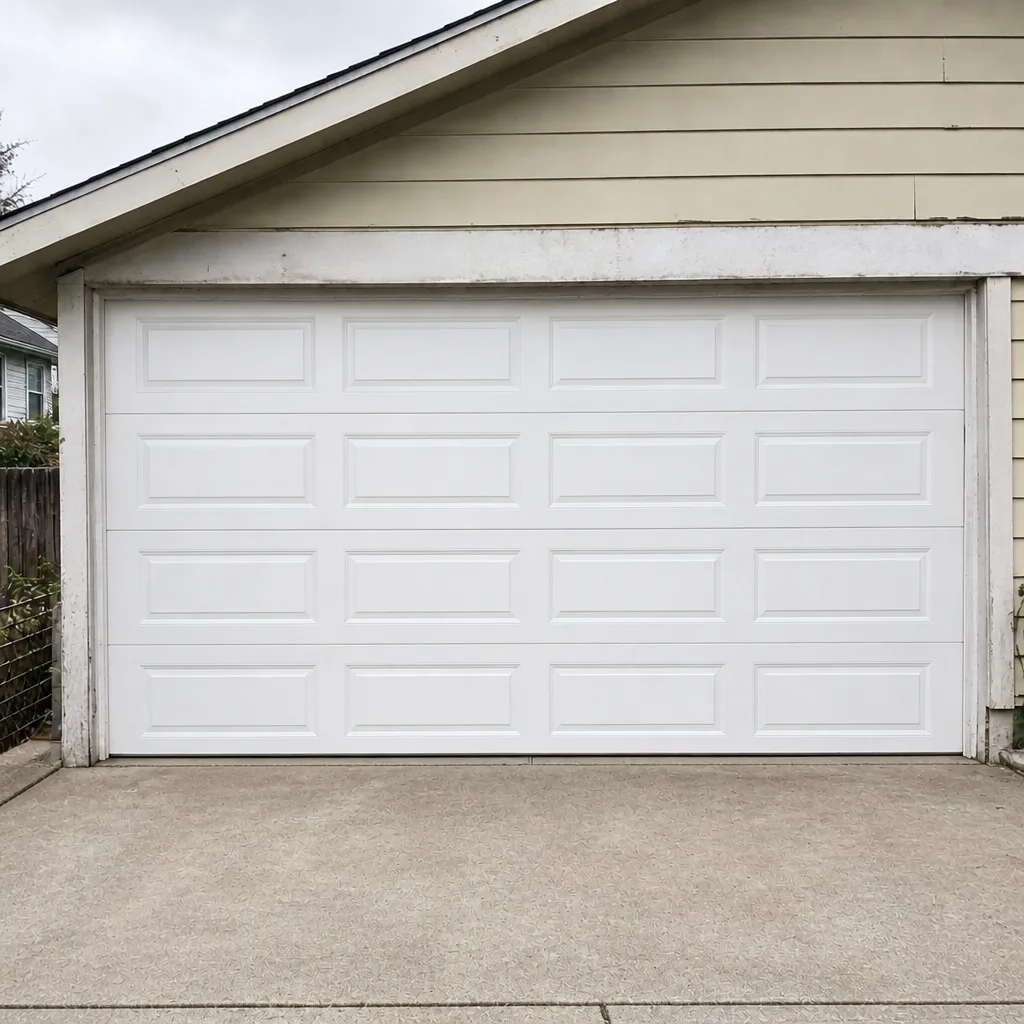
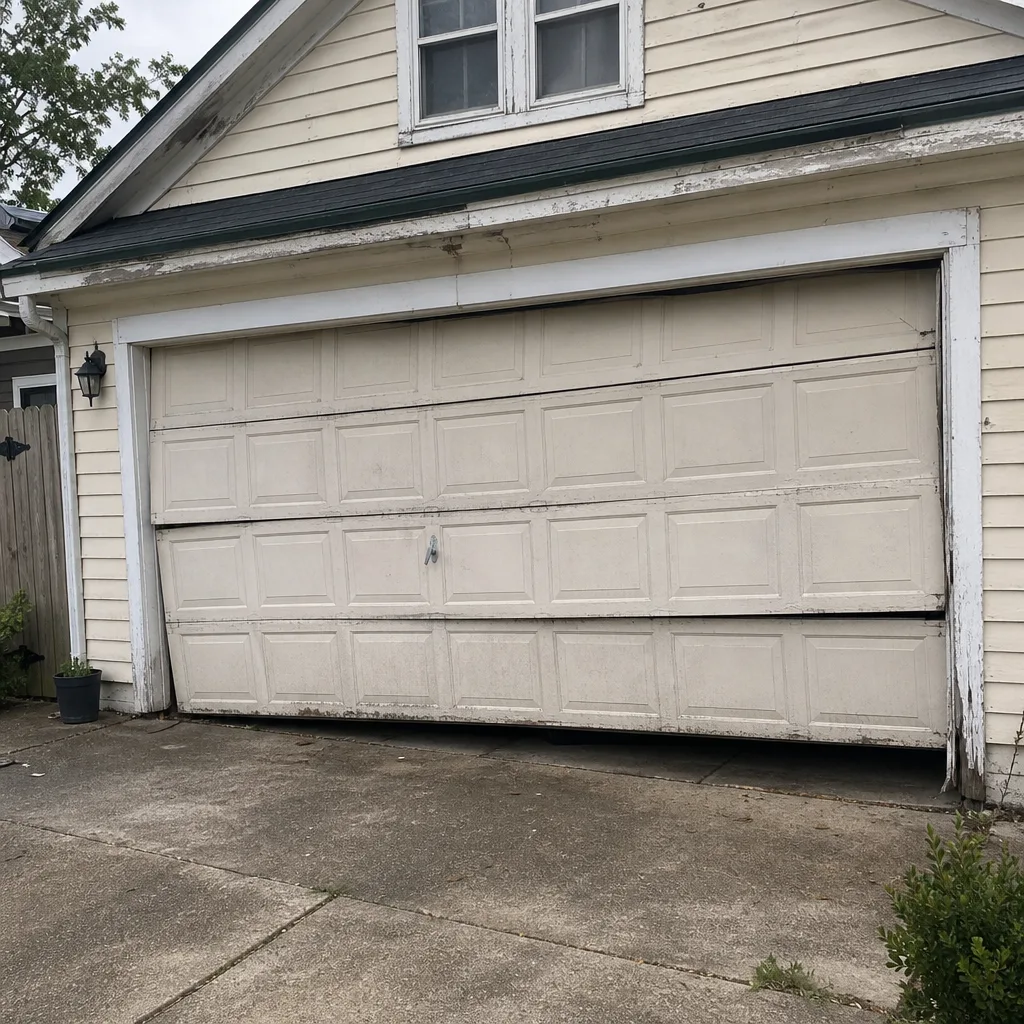
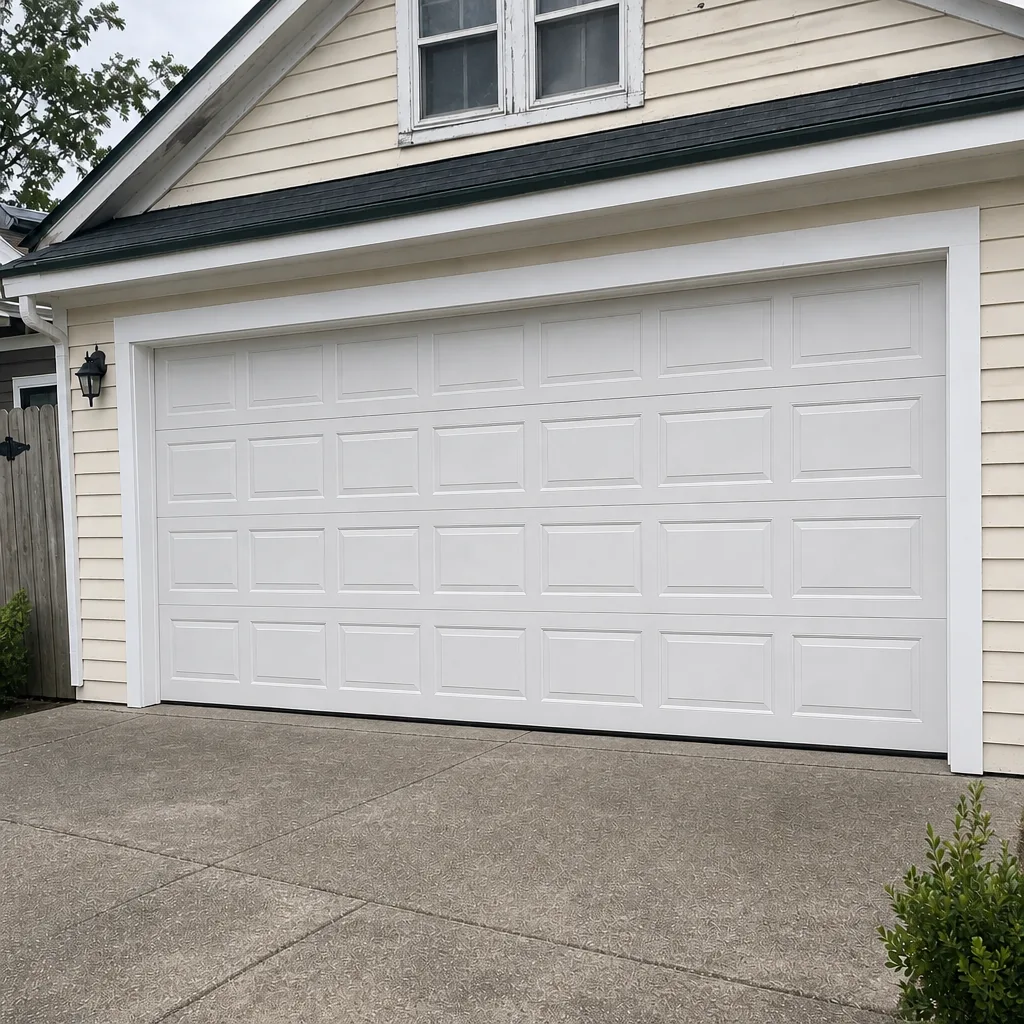
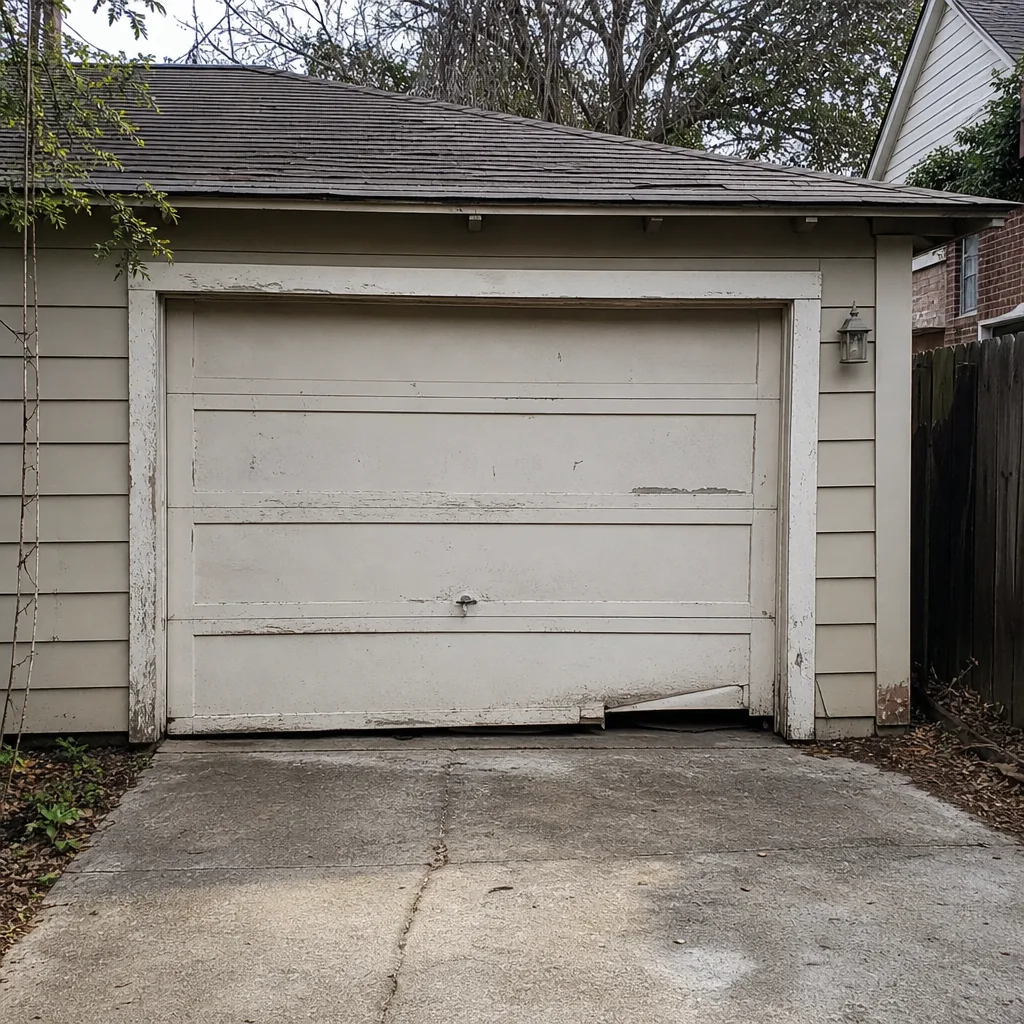
See the difference
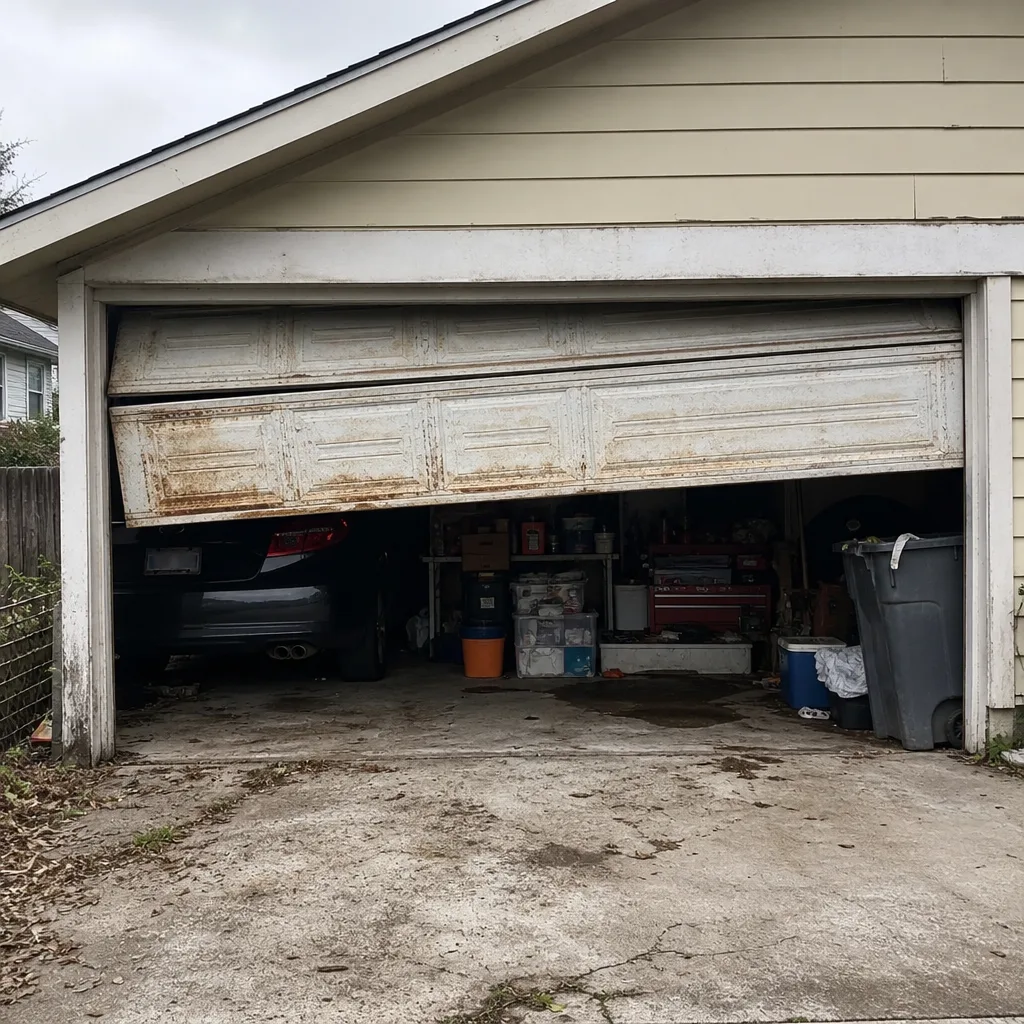 Before
 After
 Before
 After
 Before
 After
When to Call a Professional
Some garage door jobs are fine for a homeowner with a ladder and an afternoon. Springs, cables, and opener adjustments are not. Call a professional if:
- A torsion or extension spring has snapped or shows a visible gap or stretch
- The door won’t close evenly, reverses on its own, or the safety sensors won’t stop it
- A cable is frayed, loose, or has come off the drum
- The door is binding, jerking, or making a grinding or popping noise during travel
- The opener runs but the door doesn’t move
- You’re planning a replacement and need the opening measured and the door sized correctly
Torsion springs and high-tension cables hold enough stored energy to cause serious injury, and no online tutorial makes that safe. Garage Door Repair The Heights offers free estimates in The Heights, and our technicians have up to 10 years of experience on the exact brands most Heights garages carry. Call (855) 784-2291. We answer 24/7. Fast dispatch from 7am to 7pm, Sunday through Friday.
Frequently Asked Questions
Usually yes, and the City of Houston building department is the right place to confirm what your specific replacement requires. Requirements depend on scope and whether the opening size changes, so describe the exact work and let the department tell you what’s needed. Call (855) 784-2291 if you want an honest read on the physical side before you file.
Yes, and it’s one of the most common jobs on historic Heights properties. Narrow carriage-house openings usually need semi-custom doors from brands like Clopay or Amarr, measured to the actual opening rather than a standard size. We can size and install the door correctly the first time. Call (855) 784-2291 for a free estimate.
Insulated steel and composite are the strongest performers against Houston humidity and summer UV. Steel resists swelling and holds paint well, and composite handles humidity without the refinishing schedule wood requires. Wood is still the right choice for a historic Heights bungalow where the original look matters, as long as you’re willing to refinish it periodically. Call (855) 784-2291 for a recommendation on your specific garage.
Spring repair in The Heights typically runs $180 to $340 for a single spring, with matched pairs costing roughly double that. The written estimate sets the final price before any work starts, so you’ll know the number in advance. Call (855) 784-2291 for an exact quote. Estimates are free.
On a two-spring torsion door, yes, in most cases. The springs are wound at the same time and carry the same load, so when one fails the other is usually close behind. Replacing them together costs less than two separate repair visits. We’ll check the system and tell you honestly what makes sense. Call (855) 784-2291.
No. The price is set by the written estimate and agreed before any work starts, and we don’t add fees after the visit. If the door needs more work than the initial estimate showed, that conversation happens before any extra labor. Call (855) 784-2291 for a free estimate.
The Bottom Line
Garage doors in The Heights don’t follow a generic playbook. Historic bungalows on detached garages need custom sizing and spring systems matched to older framing, while new infill homes on attached garages need insulated doors and modern openers paired to the door weight. Houston humidity and UV load make material choice a long-term call, deed restrictions and City of Houston permitting shape what you’re allowed to install, and springs always belong to a trained technician. Match the door to the structure, confirm the rules before ordering, and get a written estimate before work begins.
Garage Door Repair The Heights works on garage doors exclusively, across eight of the most widely installed brands in the country, including Chamberlain, Genie, Clopay, and Amarr. We stock and supply parts directly, so we’re not waiting on a supplier to finish your repair. Whether you’re chasing a snapped spring or measuring for a new door on a Heights bungalow, one call covers it. Call (855) 784-2291. We answer 24/7. Fast dispatch from 7am to 7pm, Sunday through Friday. Estimates are free, and the written quote sets the price before any work starts.
Written by the team at Garage Door Repair The Heights.