
Last updated November 21, 2026
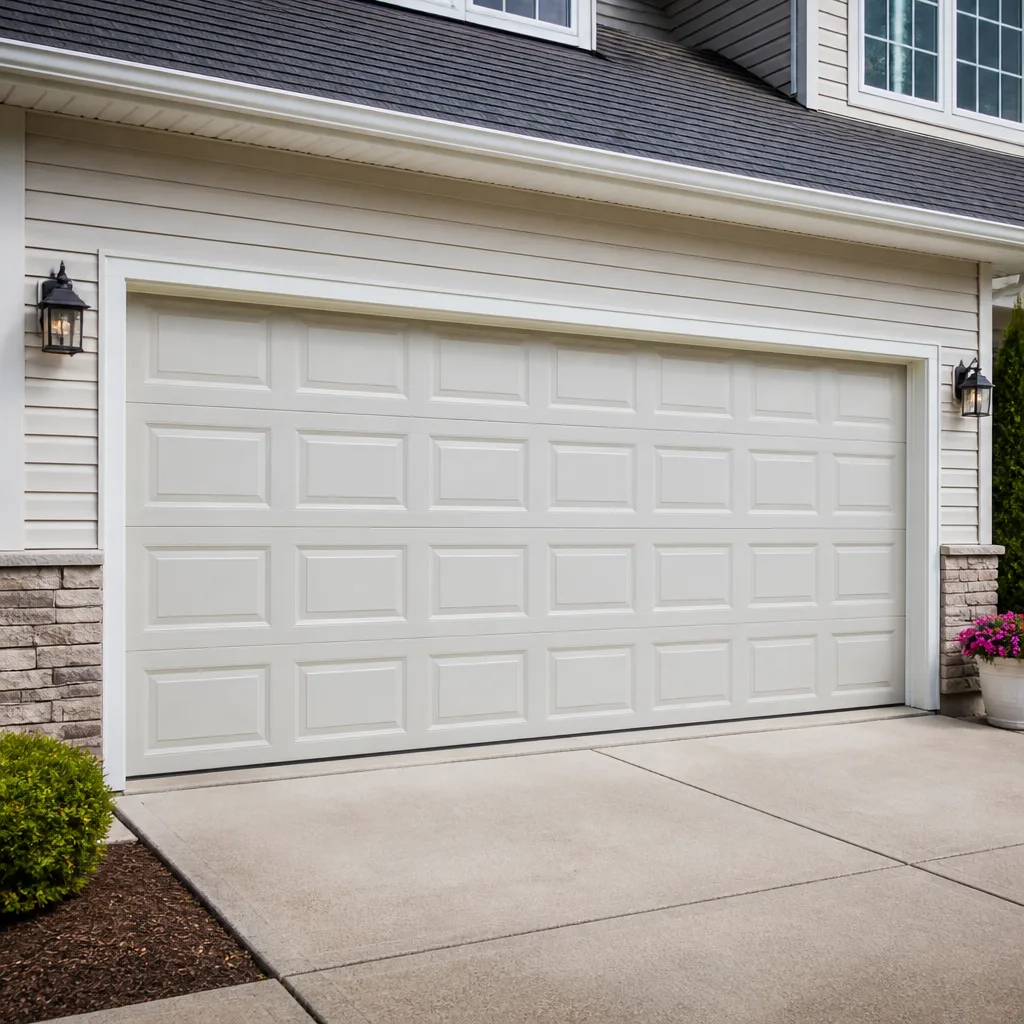 Raised-panel steel
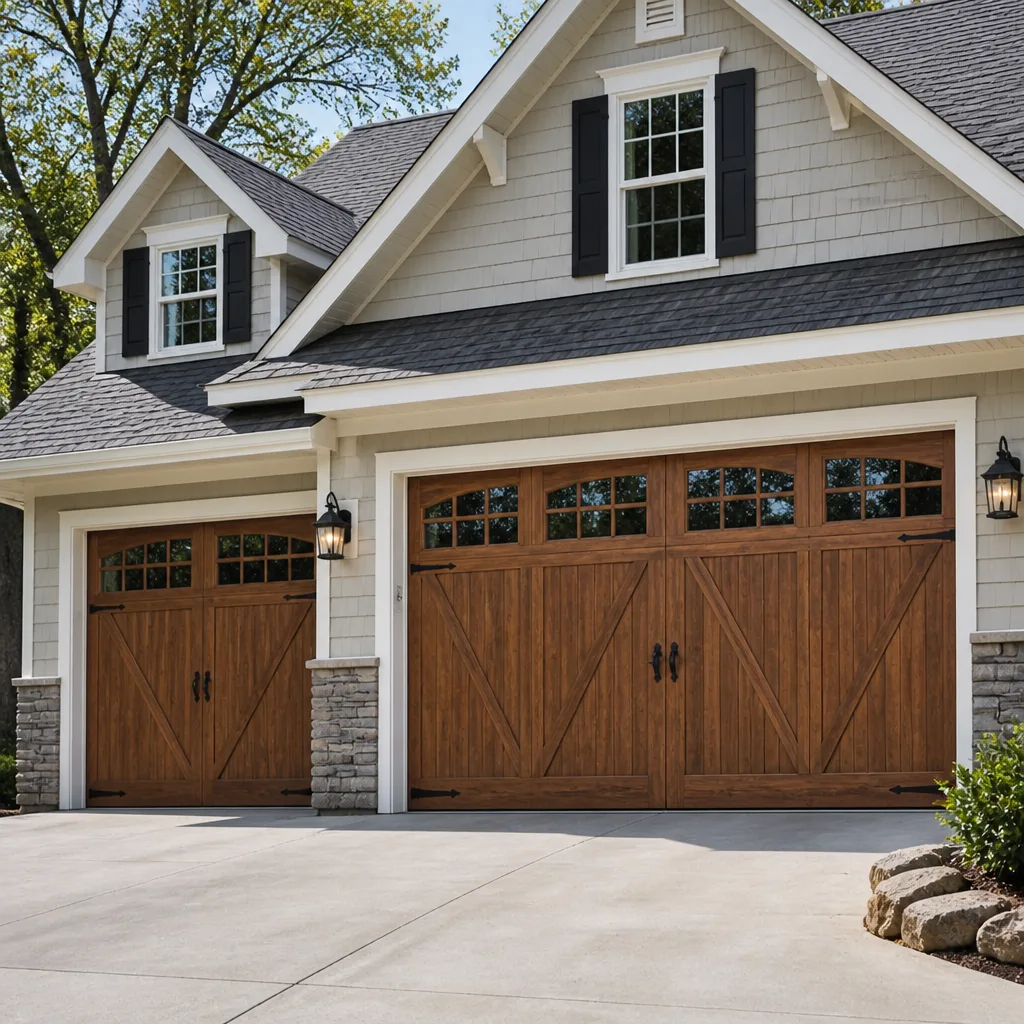 Carriage house
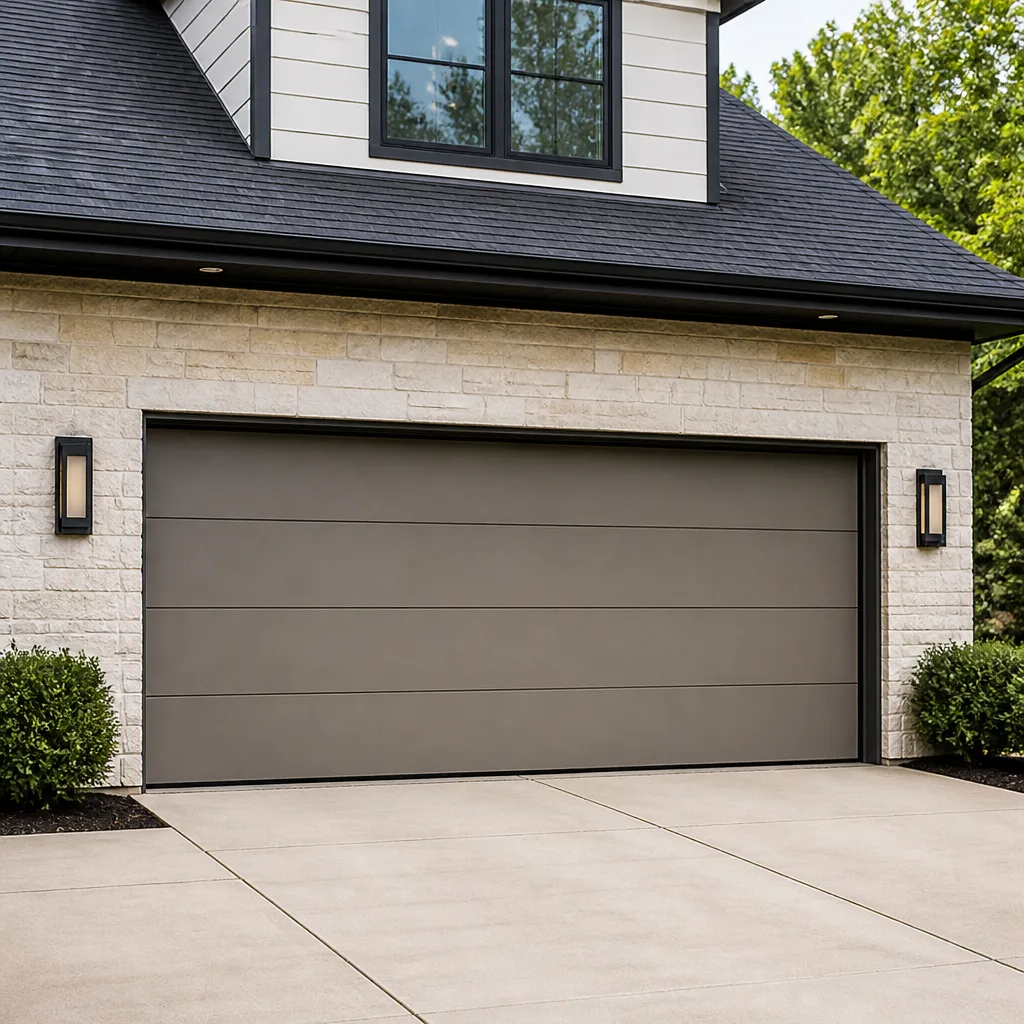 Modern flush
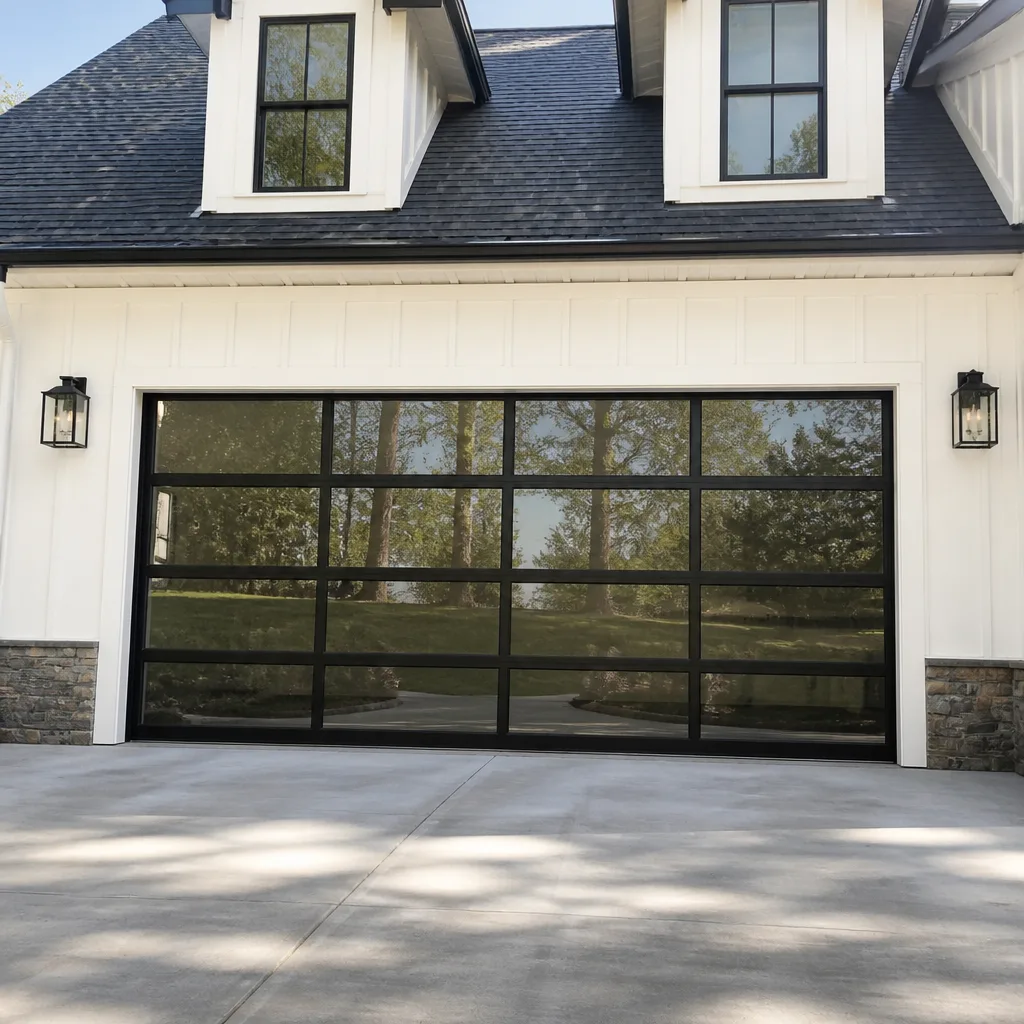 Full-view glass
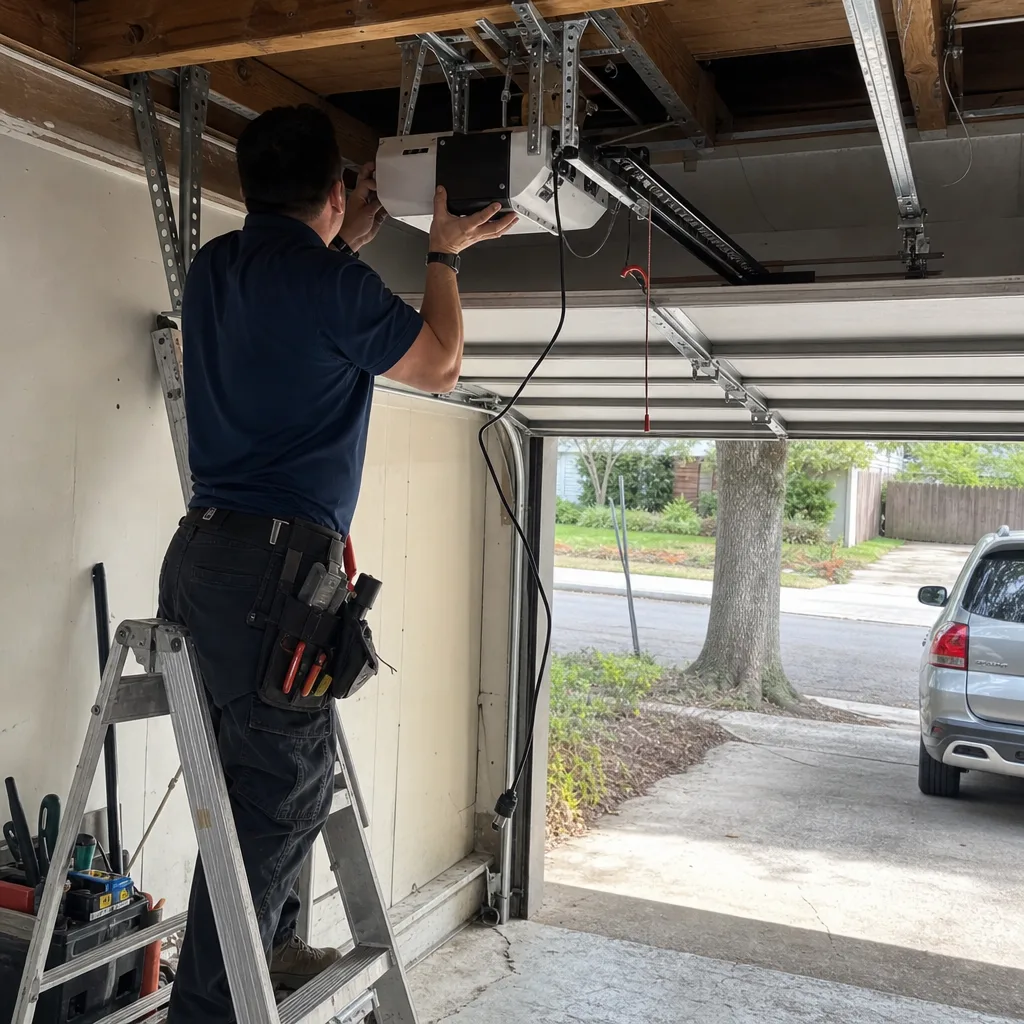
 LiftMaster openers
 Chamberlain openers
Full 25-point door and opener safety check with every visit - springs, cables, rollers, tracks, and your LiftMaster or Chamberlain opener included
You get a price before we start. It does not change when the pro arrives.
Get your free estimateSeasonal Garage Door Care for The Heights: Year-Round Homeowner’s Guide
Most garage door advice you’ll read online was written for a place with four clean seasons and a long, cold winter. The Heights doesn’t work that way. Our stress pattern is compressed: a long, humid summer that pushes heat expansion, UV breakdown and peak daily use into the same three months, then a handful of hard freezes and the occasional hurricane-season wind event. A snapped spring in August is the classic failure here, not a frozen one in January. This guide lays out a care calendar built around how doors actually age in The Heights, from the summer binding checks to the pre-freeze routine to hurricane bracing and the post-storm inspection most homeowners skip. We’ll keep it practical and specific.
Quick Answer
Garage doors in The Heights need care timed to a hot, humid, storm-exposed climate, not a four-season template. That means checking for heat-expansion binding and opener thermal overload in July through September, treating spring corrosion as a year-round humidity issue, bracing and labeling for wind before hurricane season, and running a freeze routine that keeps the opener from fighting a stuck door. A short inspection each season catches most of what fails here before it strands you.
Styles & brands we work with
- Raised-panel steel
- Carriage house
- Modern flush
- Full-view glass
- LiftMaster openers
- Chamberlain openers
Table of Contents
- Why Summer Is the Real Garage Door Season in The Heights
- Your Summer Checklist: Expansion, UV and Opener Heat
- How Humidity Affects Your Springs in The Heights
- Before and After a Freeze: Operating a Stiff Door Safely
- Hurricane Prep for Garage Doors: Bracing and Wind Ratings
- The Post-Storm Inspection Most Homeowners Skip
- Fall and Spring: The Quiet Maintenance Windows
- The Heights Seasonal Care Calendar at a Glance
Why Summer Is the Real Garage Door Season in The Heights
In The Heights, the garage door isn’t doing anything unusual in August. It’s doing everything at once. The door heats up through the afternoon, the panels and track expand, and the opener works harder to move a door that suddenly doesn’t want to track as freely as it did in spring. Add humidity that softens what the heat expands, and daily use that peaks over the summer, and you have the exact conditions that turn deferred problems into a door that won’t open.
We see the pattern every year. A homeowner in The Heights mentions a door that “runs a little louder lately,” the opener struggles through one hot afternoon, and by the next week it’s binding at the bottom corner. The cause is rarely one big failure. It’s the stack: heat expansion, UV-degraded seals, and an opener motor running near its thermal limit.
Here’s what makes The Heights different from a city with a mild summer and a hard winter. Up north, the failure season is cold. Here, the failure season is hot, and it’s long enough that small issues get months to develop.
- Peak failure window: late June through late September, when afternoon heat and daily use overlap.
- What fails first: rollers and hinges that dry out, bottom seals that split under UV, and opener motors that overheat on repeated cycles.
- What fails loudest: springs, especially when the door has been binding for weeks before the spring gives out.
The good news is that summer problems build slowly. A little attention in late spring keeps a lot of them from becoming a mid-July repair. If you’re already past that point, our garage door repair service is built around diagnosing the whole door, not just the symptom.
Your Summer Checklist: Expansion, UV and Opener Heat
Summer in The Heights asks three things of your door: it tests whether the panels and track can expand without binding, it wears down rubber and seals exposed to strong sun, and it stresses the opener motor through the hottest, busiest stretch of the year. Run this checklist in late May or early June, before the peak, and again if you notice a change.
- Listen for binding at the bottom corners. Open and close the door slowly and watch the bottom edge. If one corner drags or the door lifts unevenly, the track is likely tight from expansion. Don’t force it.
- Check the rollers and hinges for dryness. Heat dries out lubricant faster here than in cooler places. A dry roller squeals and wears the track. Lubricate rollers, hinges and the torsion shaft with a garage-door-specific lubricant, not general-purpose grease.
- Inspect the bottom seal and side seals. UV breaks down the rubber along the bottom seal and around the frame. A seal that’s cracking or curling lets in water and insects and stops doing its job.
- Watch the opener’s behavior on hot days. An opener motor that shuts off mid-cycle or needs a second press after a run of cycles is likely hitting thermal overload. Let it cool and have it checked rather than resetting it repeatedly.
- Check the alignment of the safety sensors. Sunlight striking a sensor can interfere with the beam on bright days. Make sure the sensors face each other cleanly and the lenses are clear.
If the opener is the weak point, our garage door opener repair team works on LiftMaster, Chamberlain, Genie and the other major brands daily, so we know what a normal cycle sounds like on your model and what a struggling one sounds like. We work on these systems every day, which means faster diagnosis and fewer callbacks.
How Humidity Affects Your Springs in The Heights
Springs in The Heights corrode faster than springs in drier parts of Texas. Humidity is the reason. A torsion spring is a coil of oil-tempered steel under constant tension, and moisture in the air attacks that steel every day of the year, not just in summer. In a dry city like El Paso or Lubbock, a spring may spend most of its life in dry air. In The Heights, it’s working in a humid environment year-round, which shortens the time before you see surface rust and the fatigue that comes with it.
That doesn’t mean a spring fails overnight. Corrosion moves slowly and then shows up all at once, usually as a snap. Here’s what actually slows it down:
- Keep the door, and the springs, dry. A garage that stays damp from a leaking roof, a humidifier or standing water is hard on spring steel. Fix the source of the moisture.
- Look at the coils each season. Surface rust, pitting or a spring that looks bent are signs to have it inspected.
- Don’t paint or coat springs yourself. Coatings and paint can hide problems and aren’t a substitute for replacing a fatigued spring.
- Watch for a matte, dull look. Fresh springs have a consistent finish. A spring that’s dulled and pitted is telling you its age.
Spring repair is one of the most dangerous jobs on a garage door. The torsion spring holds enormous stored force, and a spring or cable that lets go can cause serious injury. This isn’t a repair to attempt yourself. Spring repair is a core service for us, and we do it safely with the correct components for your door’s weight and size. If you’ve noticed rust or hear a bang from the garage, call before you use the door again.
Before and After a Freeze: Operating a Stiff Door Safely
The Heights gets occasional hard freezes, and a freeze is the one time of year a garage door behaves like a door from a northern city. The difference is that here it lasts a day or two and then warms back up, so the risk is concentrated into a short window when a door can stick, the opener can strain, and homeowners can do more damage trying to force it. A frozen or stiff door doesn’t need force. It needs patience and a little care.
Here’s what to do before a freeze and after one passes.
Before a freeze:
- Clear the garage of standing water or dampness so the door and track don’t seize up overnight.
- Lubricate rollers, hinges and the track with a garage-door lubricant so cold parts move smoothly.
- Check the bottom seal: a torn seal lets cold air and moisture in where the door meets the floor.
After a freeze:
- Wait until temperatures rise above freezing before you try to operate a door that’s stuck to the floor.
- If the door won’t lift, don’t keep pressing the opener. The opener is designed to stop against too much resistance, and repeated attempts can burn out the motor or strip the gear. Free the door by gently breaking the seal along the bottom edge, then try again.
- Listen for a straggling door or an opener that runs longer than usual. A freeze can shift a track slightly, and a door that doesn’t run clean afterward is worth inspecting.
If a freeze leaves your door stuck mid-cycle, call us. We answer 24/7, and a call outside dispatch hours is booked into the next opening, Sunday through Friday, 7am to 7pm.
Hurricane Prep for Garage Doors: Bracing and Wind Ratings
A garage door is the largest opening on most houses, and in hurricane season it’s also the most vulnerable. High wind against a wide, flat door puts a lot of load on the track, the hinges and the panels, and a door that gives way can let wind into the house. In The Heights, hurricane prep is part of the annual routine, and it’s worth understanding what the labels on a door actually mean before you need them.
Bracing is the reinforcement that lets a door resist wind pressure. Doors built for high-wind areas come with reinforced struts and stronger hinges, and some retrofit braces can be added to an existing door. The reinforcement has to match the door’s weight and the wind load it’s expected to face, so this isn’t a universal add-on.
What “hurricane-rated” actually means on a product label is specific. A rating describes the wind pressure the door was tested to withstand when properly installed with the specified hardware. It doesn’t mean any door with the label is automatically right for your house. The rating depends on the door’s size, the opening it covers, and how it’s anchored. That’s why the label alone isn’t the whole answer.
Before hurricane season, do these checks:
- Look at the track and hinges for loose screws or bent brackets.
- Check that the door closes flush and the panels aren’t warped.
- Make sure the bottom seal makes contact along its full width.
- Have any loose or bent hardware tightened or replaced before a storm, not during one.
If you’re considering a new door and want to know what a given rating means for your opening, our garage door installation team can walk you through the options and measure your opening before any work is scheduled. We give a free estimate and a written price, and the price you’re quoted is the price you agree to before any work starts.
The Post-Storm Inspection Most Homeowners Skip
After a storm, most homeowners check the obvious: a bent panel, a door off its track, a dented bottom section. What they skip is the inspection of the door’s alignment and track after the storm has passed. That skipped check is the one that leads to track damage weeks later. Wind and rain push on a door, and even when it comes through looking fine, the force can shift the track a fraction, loosen a bracket or tweak a hinge. The door still opens on the first try, so nobody looks closer. Then, over the following weeks, the door binds, the opener strains, and what looks like a new problem is really storm damage that went unnoticed.
Here’s the post-storm inspection to run yourself, and what to have checked:
- Look at the track from the floor up. Sight along each vertical track. If it’s bent or bowed, the door will bind. A slight bend is still a bend.
- Check the brackets and hinges. Look for loose screws or bent metal at the hinge points and the top and bottom brackets.
- Open and close the door slowly. Watch for one side lifting before the other, or a bottom corner that drags.
- Test the safety reverse. Put an object in the door’s path and confirm the door reverses. If it doesn’t, stop using the opener.
- Watch for a door that “walks” sideways. A door that drifts to one side as it closes is telling you the track or cables need attention.
If anything on this list looks off, have it looked at before you keep using the door. A track that’s off by a fraction becomes a bent track and a door off its hinges in a matter of weeks. When you call us at (855) 784-2291, we answer 24/7. Fast dispatch from 7am to 7pm, Sunday through Friday. The estimate is free, and the written price is set before any work begins.
Fall and Spring: The Quiet Maintenance Windows
Fall and spring in The Heights are the calm stretches, which makes them the best times to get ahead of the summer and freeze seasons. Fall is when the humidity starts to ease off and you can inspect the door and springs with a clearer eye. Spring is the last chance to prep before the heat arrives. Neither season is a “winter prep” exercise here; they’re your setup and reset windows.
Fall tasks:
- Inspect springs for rust and pitting after the humid summer.
- Replace a worn bottom seal so winter moisture doesn’t get under the door.
- Lubricate rollers, hinges and the torsion shaft.
- Check the opener’s force settings and safety reverse.
- Look at the door’s balance: a door that’s hard to lift by hand needs attention.
Spring tasks:
- Clear debris and leaves from the track.
- Test the door’s balance and listen for binding in the corners.
- Check the hardware for loose screws and worn rollers.
- Have the opener serviced if it’s been struggling.
- Brace and label for hurricane season if you haven’t already.
This is also when a new door makes the most sense. A spring or early summer install gives you the whole season to see how the door behaves before the heat peaks. We supply replacement parts directly, which shortens the wait between deciding on a repair and getting it done. From a snapped cable to a full new door, one call covers it: Garage Door Repair The Heights.
The Heights Seasonal Care Calendar at a Glance
Here’s the whole year in one place. Print it, or glance back at it each season.
- Late February through March (pre-summer setup): Clean the track, test the balance, check the opener’s reverse, lubricate hardware, and look for binding in the corners. Each task takes a few minutes.
- April through May (hurricane prep): Inspect the track and hinges, confirm the door closes flush, check the bottom seal’s contact, and know what any wind rating on your door means for your opening.
- June through September (peak heat): Watch for expansion binding, dry rollers, UV-cracked seals and opener thermal overload. Lubricate in late May and again if the door starts to sound dry.
- Whenever a hard freeze is forecast: Lubricate the moving parts, clear dampness from the garage, check the bottom seal, and don’t force a stuck door with the opener.
- After any storm event: Sight along the track, check brackets and hinges, open and close the door slowly, and test the safety reverse.
- October through November (reset): Check springs for rust after the humid season, replace a worn seal, and have any strained opener parts looked at before the freeze risk returns.
Common Mistakes to Avoid
- Using a four-season maintenance calendar in The Heights. Advice written for northern winters puts the emphasis on freeze prep and misses the summer heat-and-humidity window that actually drives most failures here. Plan around the climate you live in.
- Waiting until the door won’t open to check it. A door that runs a little louder in July is giving you warning. A few minutes of checking now avoids a mid-July failure.
- Greasing the door with general-purpose lubricant. Heavy grease collects grit and holds it in the track. A garage-door-specific lubricant is the right choice for rollers, hinges and the torsion shaft.
- Forcing a frozen door with the opener. When a door is stuck, the opener is designed to give up before it burns out or strips its gear. Free the door by hand, then try again after temperatures rise.
- Skipping the post-storm alignment check. A door that opens fine after a storm can still have a track tweaked by wind. The drift shows up weeks later as binding or a bent track.
- Assuming a “hurricane-rated” label is enough on its own. A rating depends on the door’s size, how it’s braced and how it’s anchored. Have the whole opening looked at, not just the label.
- Attempting spring or cable work yourself. Springs and cables hold dangerous stored force. A spring or cable that releases can cause serious injury. Leave this work to a trained professional.
See the difference
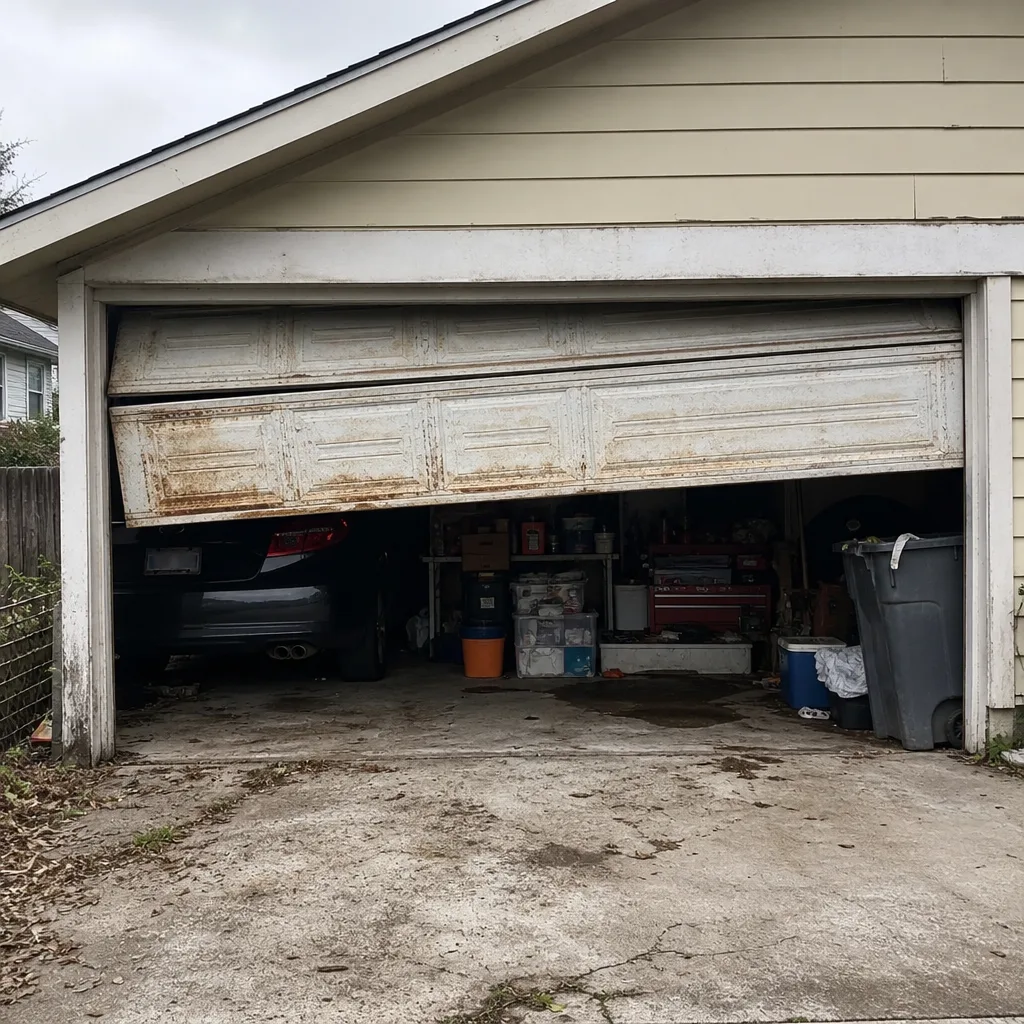 Before
 After
 Before
 After
 Before
 After
When to Call a Professional
Some seasonal checks are yours to do. A spring that’s snapped, a door that binds no matter how you adjust your habits, an opener that shuts off mid-cycle, a track bent by a storm, a door that’s drifted off its line, or a cable that’s frayed or loose: those are jobs for a trained technician. Spring and cable work is the most dangerous of the bunch, and it’s not a job to learn on the fly. If your door won’t lift, or you hear a bang from the garage, stop using the door and call. Garage Door Repair The Heights offers free estimates in The Heights. Call (855) 784-2291. We answer 24/7. Fast dispatch from 7am to 7pm, Sunday through Friday. The price you’re quoted is agreed before any work starts, so you know what you’re paying before we begin.
Frequently Asked Questions
The best times are late February through March, before summer heat sets in, and October through November after the humid season. Those windows let you check springs, seals and the opener before the two seasons that do the most wear. If your door has been acting up, don’t wait for a season: have it looked at now.
Humidity is the main reason. Springs are steel under constant tension, and steady moisture in the air rusts and fatigues them faster than the dry air of a place like El Paso or Lubbock. You can slow the process by keeping the garage dry and inspecting the coils for rust each season. Spring replacement should always be done by a trained technician. Call (855) 784-2291 for a free estimate.
You can, once temperatures rise above freezing and the door isn’t stuck to the floor. Don’t keep pressing the opener on a stuck door. The opener is designed to stop against heavy resistance, and repeated attempts can damage the motor. Free the bottom edge gently by hand, then try again.
It means the door was tested to withstand a specific wind pressure when installed with the right hardware and bracing. It doesn’t mean every door with that label fits your opening. The rating depends on the door’s size and how it’s anchored, so have the whole opening evaluated. We can measure yours and give a free estimate with a written price.
Heat makes the panels and track expand, and a fraction of a millimeter can make the door drag at a corner. Dry rollers and hinges make it worse. Clean and lubricate the moving parts, and if the binding continues, have the track checked before it bends. Call (855) 784-2291 and we’ll take a look.
Sight along the track, check the brackets and hinges, open and close the door slowly, and test the safety reverse. Look for a door that drifts sideways or a bottom corner that drags. A bent track caught early is a simple fix; left alone, it becomes a much bigger repair.
The Bottom Line
Garage door care in The Heights follows the climate, not the calendar. The failures that matter happen in the summer heat and humidity, and the storm and freeze events that bookend the year. A little time in late winter and fall, a few checks in the summer, and a quick pass after any storm goes a long way toward keeping the door moving cleanly. And when something does break, a snapped spring or a strained opener or a track bent by wind, call (855) 784-2291 for a free estimate. We answer 24/7.
Written by the team at Garage Door Repair The Heights.