
Last updated November 21, 2026
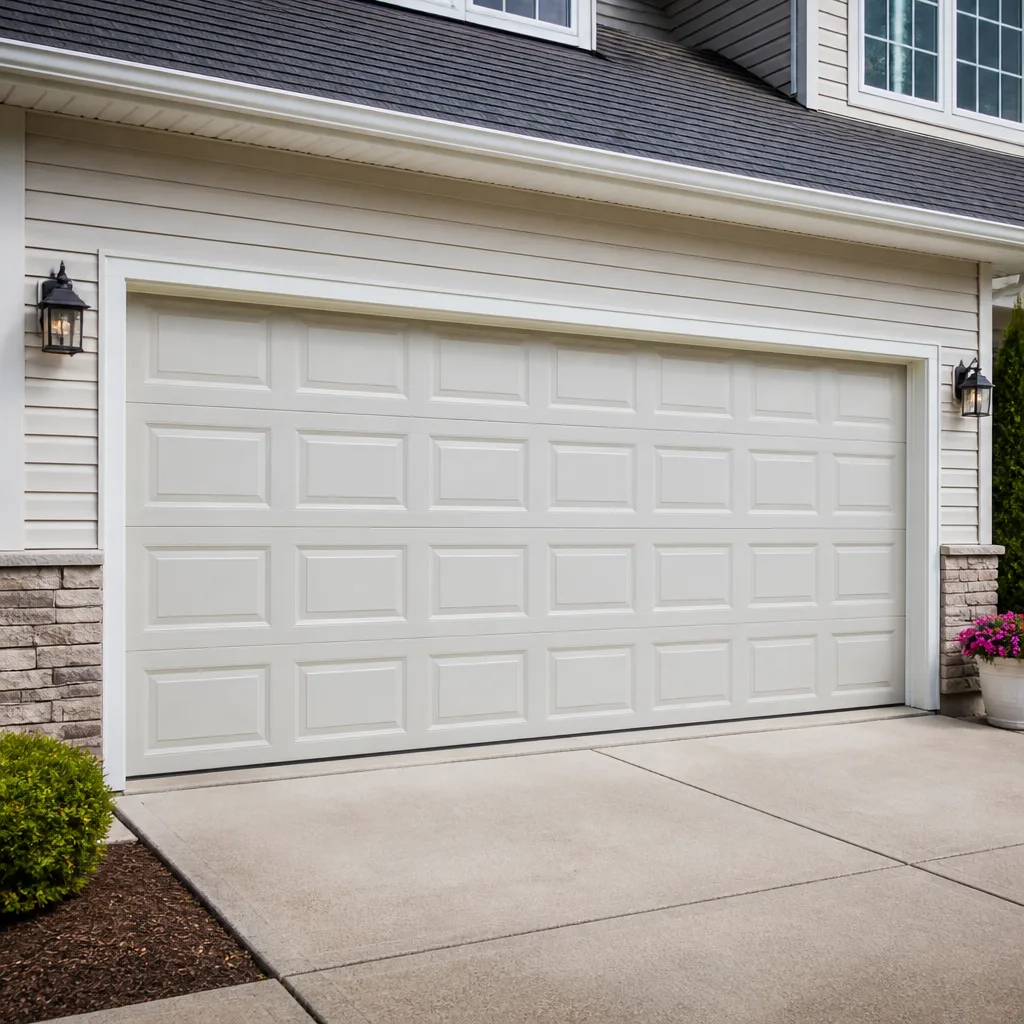 Raised-panel steel
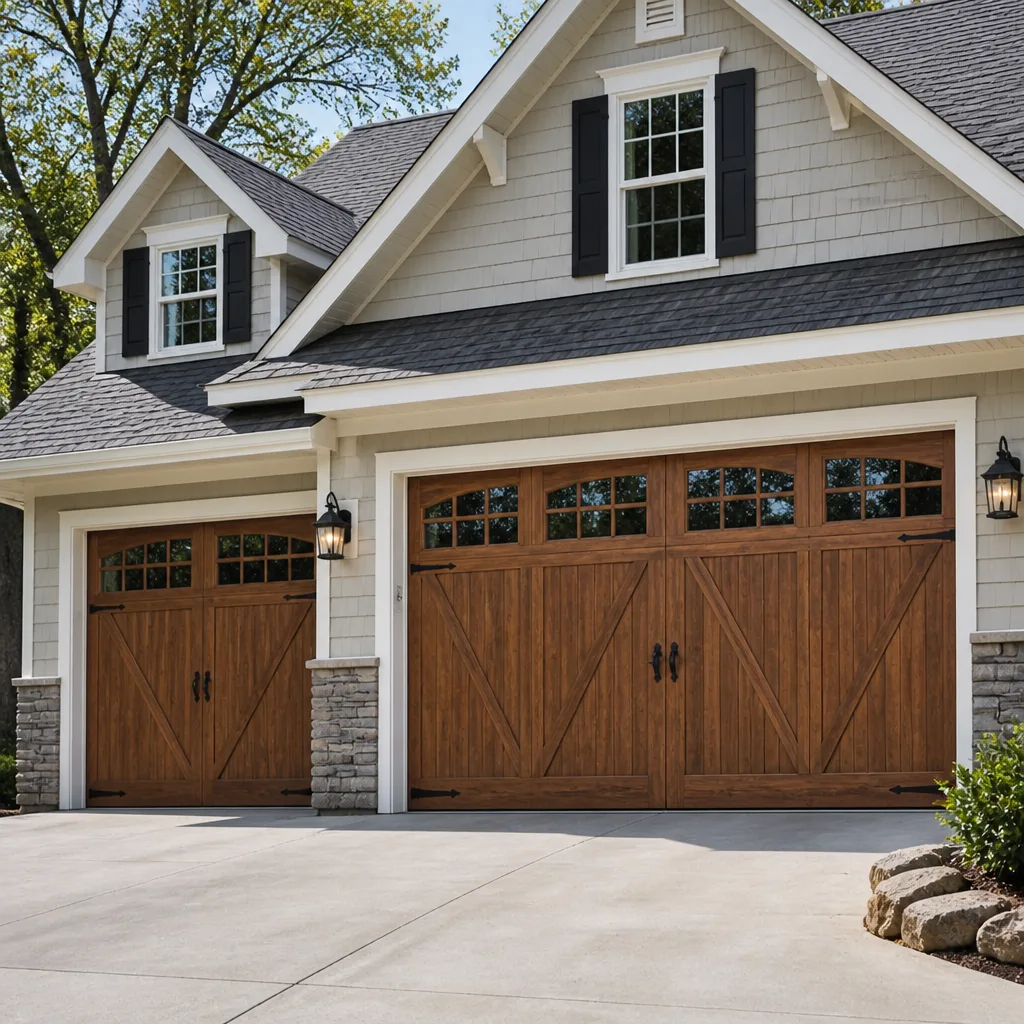 Carriage house
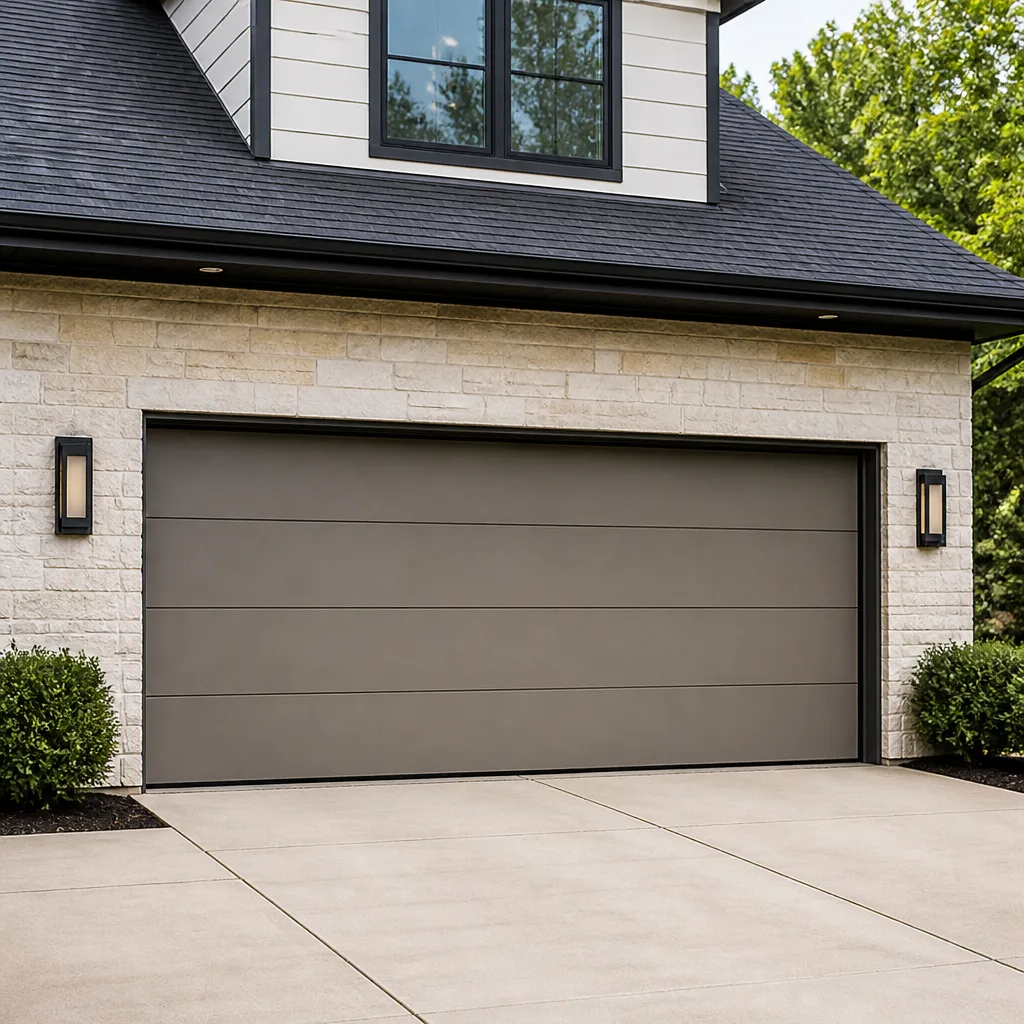 Modern flush
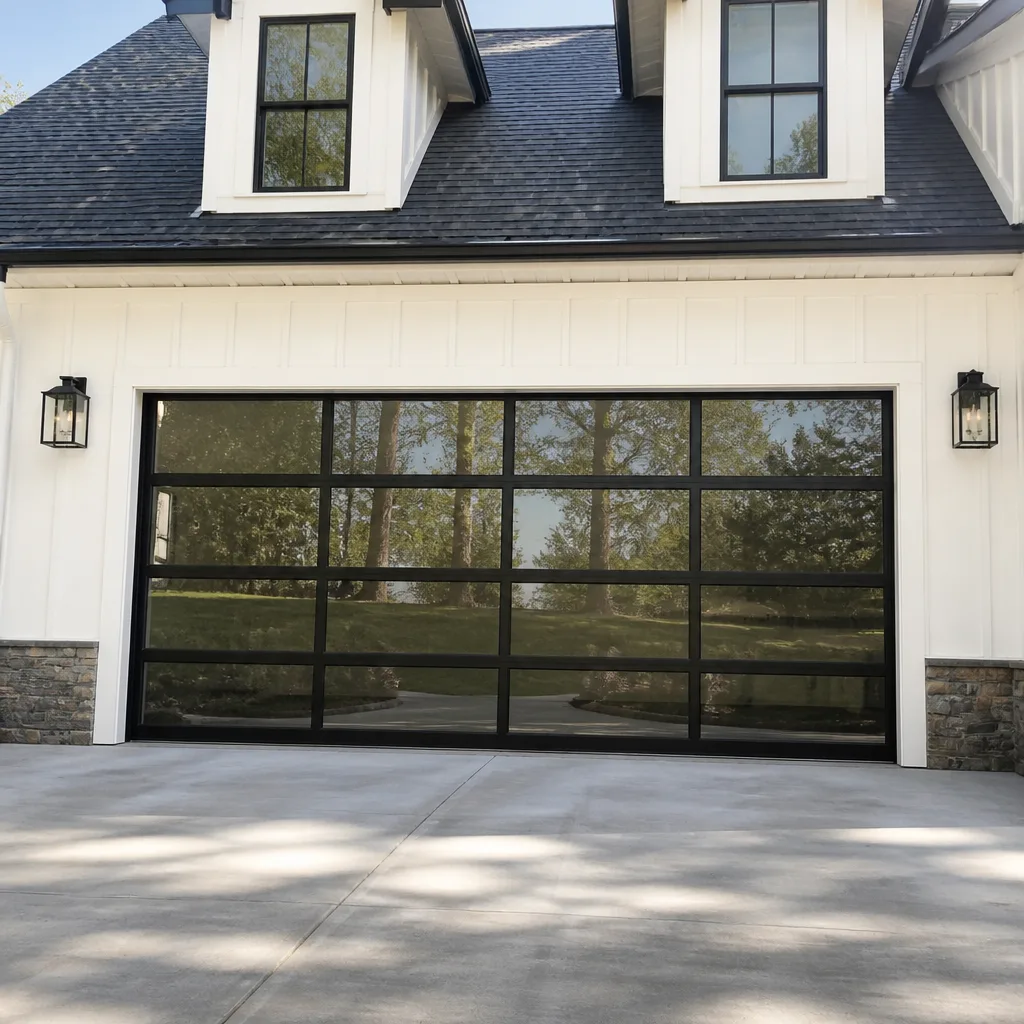 Full-view glass
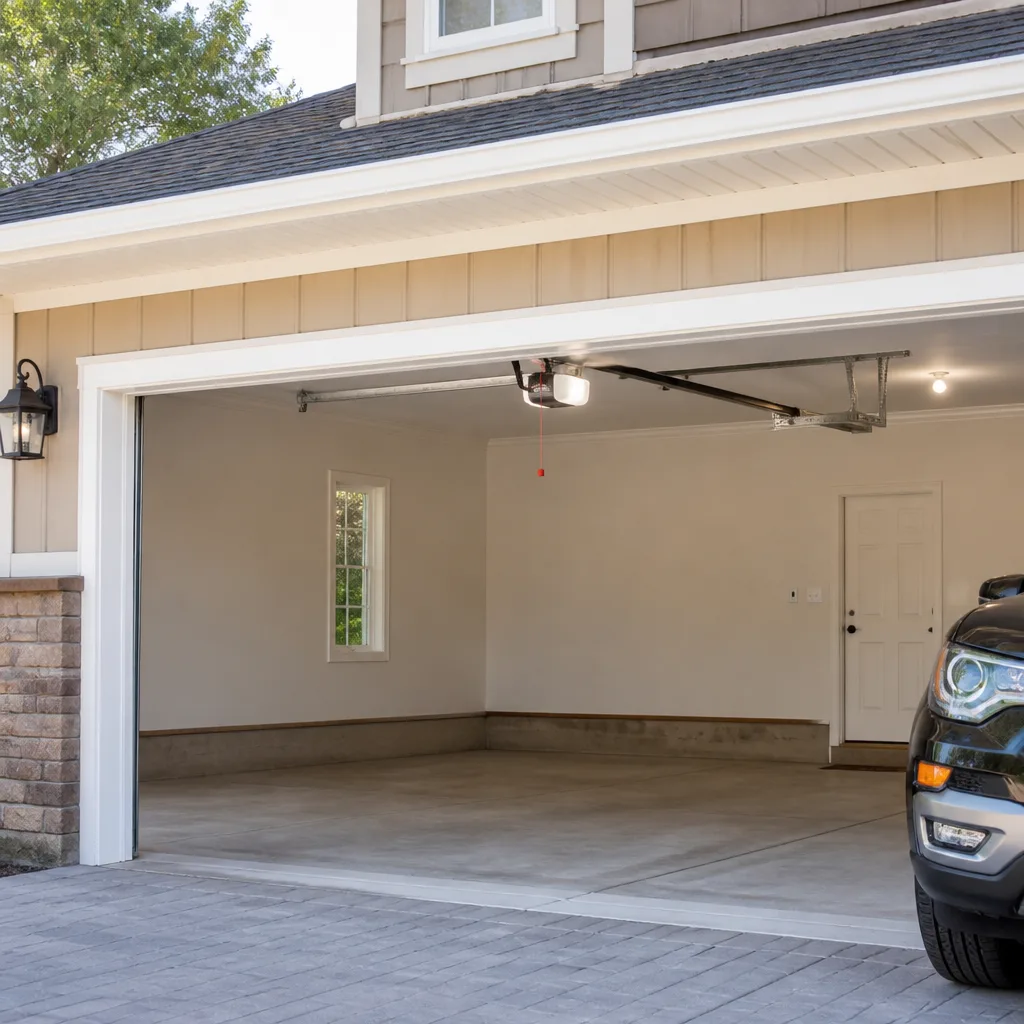 LiftMaster openers
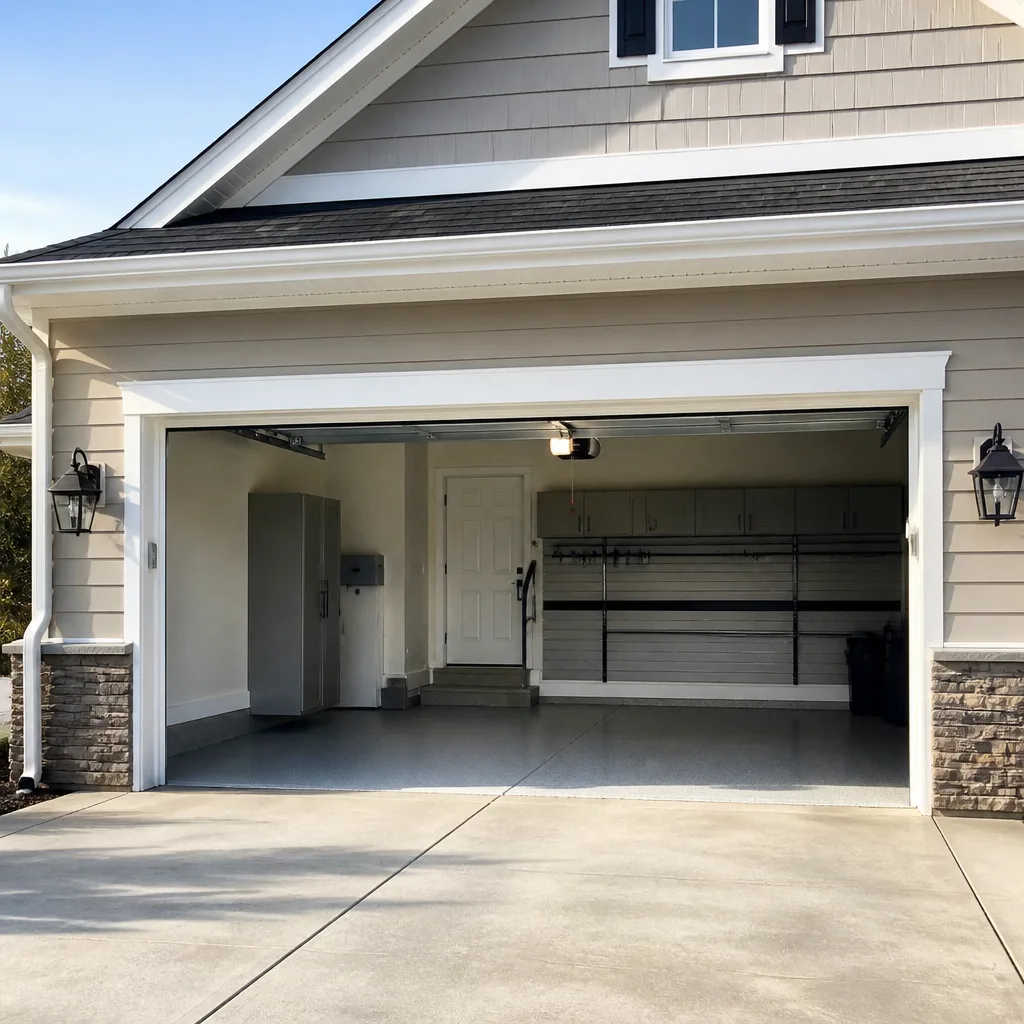 Chamberlain openers
Full 25-point door and opener safety check with every visit - springs, cables, rollers, tracks, and your LiftMaster or Chamberlain opener included
You get a price before we start. It does not change when the pro arrives.
Get your free estimateGarage Door Permits, Codes & Inspections in The Heights, TX: What You Need to Know
Here’s the part most homeowners learn too late: garage door work in The Heights is not always a “no permit needed” job, and the rules get stricter the closer your garage sits to a historic block. Plenty of people assume a door swap is like replacing a light fixture, something you handle without paperwork. Then a buyer’s title search turns up improvements with no record, or a neighbor’s remodel triggers a review that catches the unpermitted work next door. This guide walks through when Houston actually requires a permit for garage door replacement versus repair, how The Heights historic rules stack on top of city code, what a compliant installation looks like in Texas wind, how to fix a permit you skipped, and what inspectors home in on. Whether you’re planning a new door or cleaning up an old one, you’ll leave knowing which questions to ask before anyone touches your tracks.
Quick Answer
A like-for-like garage door replacement on a street-facing garage in The Heights often requires a City of Houston building permit, and if your home sits within the Heights Historic District it can also require historic preservation review before work starts. Straight repairs, such as a broken spring or a snapped cable, generally don’t trigger a permit because you’re restoring the existing door rather than replacing it. The exact threshold depends on the scope of work and your property’s designation, so the safe move is always to confirm with the city’s building department and any applicable historic district review body before signing a contract.
Styles & brands we work with
- Raised-panel steel
- Carriage house
- Modern flush
- Full-view glass
- LiftMaster openers
- Chamberlain openers
Table of Contents
- When Houston Requires a Permit for Garage Door Replacement vs. Repair
- The Heights Historic District Layer Most City Guides Skip
- What a Code-Compliant Garage Door Installation Looks Like in Texas
- How to Get a Retroactive Permit if Work Was Done Without One
- What Inspectors Actually Check on a Garage Door Installation
- How to Hire an Installer Who Respects the Permit Process
- Repair Work, Springs, and Openers: What Code Covers
- Selling a Home in The Heights with Unpermitted Door Work
When Houston Requires a Permit for Garage Door Replacement vs. Repair
The clearest line in the whole topic is replacement versus repair. Replacing the door itself, or swapping out the entire door assembly including the track and hardware, is treated as an alteration to the structure. Most cities, Houston included, treat structural alterations to a building as work that needs a permitting review. The permit isn’t really about the door as a product. It’s about confirming the opening is structurally sound, the attachment is correct, and the door assembly meets the local building code for the area.
Repair sits on the other side of that line. Changing a torsion spring, replacing a snapped cable, fixing a bent roller, or swapping a broken opener motor is maintenance and restoration of what’s already there. You’re not altering the structure. That’s why the vast majority of garage door repair calls a homeowner makes in The Heights never touch a permit at all.
Here’s how the split usually breaks down in plain terms:
- Replacement of the full door: likely to require a permit, especially for a street-facing garage.
- Replacement of the door and opener as a package: same treatment as a full door replacement.
- Changing door style, size, or opening height: permit territory, and possibly structural review.
- Spring, cable, roller, or hinge repair: typically no permit.
- Opener repair or replacement of the motor unit: typically no permit, though electrical work can vary.
- New construction of a garage or adding an opening: permit required, always.
Two energy-saver upgrades are an exception to think about. Adding a new opener that requires new wiring or a dedicated circuit can pull in electrical permitting, because the electrical code governing that work doesn’t care how small the job is. That’s worth flagging to whoever is doing the install.
For a The Heights homeowner, the practical first step is simple: call the City of Houston building department with your address and your street-facing status, and describe the exact scope. “I’m replacing a 16-foot door on a two-car garage attached to a house in the Heights, staying the same size and style” gets you a much clearer answer than “do I need a permit for a garage door?” Don’t rely on your neighbor’s experience or a contractor’s reassurance alone. Their permit history isn’t your permit history.
The Heights Historic District Layer Most City Guides Skip
This is where The Heights gets tricky. If you’re in the Heights Historic District, or in one of the designated historic subareas nearby, your garage door work may also fall under historic preservation review, separate and apart from the standard building permit. That’s a second layer of approval that most generic Houston permit guides never mention. The historic review focuses on whether the change preserves the character of the neighborhood, which matters most for street-facing garages where the door is visible from the right-of-way.
The historic review layer is where homeowners often get blindsided. The building permit department is looking at structural soundness and code compliance. The historic district review body is looking at the appearance of your door from the street. Same project, two very different sets of questions. A door that gets a permit might still be denied by the historic review if it looks out of character for the block.
What tends to draw scrutiny in The Heights historic areas:
- Material changes: swapping a wood-paneled door for a steel one, or a smooth carriage look for a modern flush style.
- Visible color shifts: bright or non-traditional paint jobs that stand out from the streetscape.
- Size and proportion changes: a taller door, a wider door, or windows that alter the elevation.
- Removing original details: hardware, trim, or panel patterns that match the era of the home.
If your home sits in a historic review area, plan to submit your door selection early. Bring photos of the existing door and the door you want to install. If the review body flags a concern, you can often find a compatible design that passes review and still gets you the performance and insulation you want. We’ve seen this go smoothly when the design conversation happens before a door is ordered, and poorly when a door shows up and only then does someone ask whether the look was approved. That sequencing is the entire difference between a good experience and a stressful one. For homeowners in The Heights picking a brand like Clopay or Amarr, most manufacturers offer enough panel and window options to clear historic review without giving up insulation values.
One honest recommendation: confirm your historic designation before you choose a door. The city’s historic preservation office can tell you whether your property sits in a review area, and it’s a phone call that costs nothing and saves a lot.
What a Code-Compliant Garage Door Installation Looks Like in Texas
Texas building code cares a great deal about wind resistance, and for good reason. The Gulf Coast is a hurricane-exposed region, and the entire building envelope of your home has to resist wind pressure so that the garage doesn’t become the first point of failure in a storm. Garage doors are large openings. In a high wind event, a garage door that blows in creates a huge pressure breach that can compromise the roof and the rest of the home. That’s why wind-rated garage doors and reinforced attachment matter here.
A code-compliant installation in The Heights typically involves:
- A wind-rated door rated for the design wind speed of the property’s location. Ratings are specific to the site, not a one-size-fits-all number.
- Correct anchor and attachment details. The door’s brackets, track, and header attachment are all part of the wind rating, not just the panels themselves.
- Reinforcement struts or a reinforced back face on wider doors where the rating requires it.
- Proper spring and hardware sizing for the door’s weight, since weight affects wind performance and safety.
- Documented manufacturer installation instructions followed to the letter, because the wind rating is void if the install doesn’t match the spec.
- A label on the door showing its rating, which inspectors may want to verify.
What this means for a The Heights homeowner is that “same door, different brand, cheaper” isn’t automatically code-compliant. Wind ratings are brand-and-model-specific, and the installation methods vary by manufacturer. A Clopay door and an Amarr door that look identical on the outside can have entirely different ratings, anchor patterns, and reinforcement requirements. A contractor who just installs whatever’s on the truck without checking the rating against your address is walking you into a failed inspection or a void warranty.
If you’re planning a new door, ask your installer two direct questions: what wind rating does this door carry, and where’s the documentation? If the answer is vague, that’s your cue to get a second opinion. This is one of the reasons we work directly with established brands like Amarr and Wayne Dalton. We know how the wind documentation is organized for each, so the paperwork is ready for inspection, not scrambled together after a failure. For more on the ordering and installation side, see our garage door installation page.
How to Get a Retroactive Permit if Work Was Done Without One
If a previous owner replaced the garage door without a permit, or your own contractor skipped the paperwork, you’re not stuck. Many cities allow a homeowner to apply for a retroactive permit, often called an after-the-fact permit, to bring unpermitted work into compliance. The process varies, and Houston’s rules should be confirmed directly with the city’s building department, but the general shape of it is consistent enough to plan around.
Here’s the usual sequence:
- Pull your property records. Request any prior permit history and the original drawings or plans from the city. You’re building a paper trail of what was and wasn’t approved.
- Contact the building department with the address and scope. Describe what was done, when it was done as best you know, and ask specifically about a retroactive permit application.
- Provide whatever the city requests. That often means photos, manufacturer specifications, wind-rating documentation for the door, and details of the attachment and reinforcement.
- Schedule an inspection. The city will want to verify the installation meets code. If anything is off, you’ll get a correction list.
- Complete corrections and close out the permit. Once the inspection passes, the work is on record and the title search won’t flag it.
The harder part is usually the correction list, not the application. A door installed without a permit might not have the right anchor pattern, might lack reinforcement struts, or might have a wind rating that doesn’t match the property. Sometimes the fix is minor. Sometimes the door has to be rehung or replaced to meet spec. In The Heights historic areas, you may also need to clear historic review for the existing door, even if it’s already installed.
What we’d suggest: start the process early rather than waiting until a sale is on the line. If you’re within a year or two of selling, a title search may catch the unpermitted work, and the closing can stall while it’s resolved. That’s a lot more stressful than a quiet call to the city now.
What Inspectors Actually Check on a Garage Door Installation
Inspectors are looking at a handful of things carefully, and knowing what they check lets you catch problems before the inspection does. In our experience, the items that fail most often are wind-rating documentation mismatches and attachment detail issues, not the door itself.
Here’s what tends to draw attention:
- Wind rating label and paperwork. The inspector wants to see the door’s rating verified against the property. A door that was ordered for the wrong address or doesn’t match the installation spec fails.
- Attachment to the wall and header. Bracket spacing, anchor type, and header attachment are reviewed against the manufacturer’s instructions.
- Track alignment and level. An out-of-level track is a sign of a rushed install and can cause operational issues later.
- Spring hardware and safety devices. The torsion spring assembly, safety cables on extension springs, and any required tension-monitoring hardware are checked.
- Bottom seal and threshold. Gaps at the base are checked for weatherproofing and pest resistance.
- Operational test. The door is cycled, and the opener’s auto-reverse and force settings are checked if the opener is part of the scope.
The failures we see most often in this region trace back to a contractor who installed a door “the way they always do it” without consulting the manufacturer’s instructions for that model. Wind ratings are model-and-installation-specific. That’s why we treat the manufacturer spec as the rulebook, not a suggestion. If you’re troubleshooting a door that’s already installed and something feels off, our garage door opener repair service covers the operational side, and our repair team covers the mechanical.
How to Hire an Installer Who Respects the Permit Process
The single best predictor of whether your garage door work gets done cleanly is whether the installer volunteers permit information before you ask. A specialist knows the rules because garage doors are all they do. A generalist or a big-box installer may not, and worse, may not care. This is one of the reasons we focus exclusively on garage doors. The permit and code questions get asked on every job, not just the ones where a homeowner pushes back.
Here’s a hiring checklist we’d recommend for anyone in The Heights planning a garage door replacement:
- Ask directly: “Will this job require a permit, and who pulls it?” An answer of “I’ll take care of it” is good. An answer of “you don’t need one” without asking about your street frontage or historic status is a red flag.
- Ask what wind rating the door carries and where the documentation is. If the contractor can’t answer, they don’t know their product.
- Ask about manufacturer instructions. A good installer knows the spec for the specific model and can describe the attachment method without looking it up.
- Confirm who’s responsible for the historic review if your property sits in a designated area. It should be clear before the door is ordered.
- Get the scope in writing. The written estimate should spell out door model, wind rating, hardware, and who handles permits and inspection.
Our technicians have up to 10 years of experience, and every one of them works on garage doors and nothing else. That doesn’t guarantee perfection, but it does mean the trailer isn’t stacked with roofing tools and the permit question gets answered in minutes, not researched on your dime. If you’d like a free estimate that starts with these questions, our Garage Door Repair The Heights team is the place to begin.
Repair Work, Springs, and Openers: What Code Covers
Most of what a homeowner in The Heights actually needs done is repair, and repair is largely outside the permit process. That said, “no permit” doesn’t mean “no rules.” The code that governs repair work is mostly about how the work is done safely, and a few items deserve attention.
Spring work is the big one. Torsion and extension springs are under enormous tension, and a failed spring can cause serious injury. That’s why you won’t see us or any responsible garage door company give step-by-step spring replacement instructions on a website. This is genuinely dangerous mechanical work. The parts need to be matched to the door’s weight, and the tensioning has to be done with the proper tools and caution. If a spring is broken, or you hear a loud snap and the door won’t open, call a specialist rather than attempt it yourself.
Openers fall under a different set of rules. Modern openers include auto-reverse safety features and force limits, and those are part of what gets verified on a properly installed system. If your opener predates those safety devices or has never been adjusted, a technician should check the settings. The electrical connection also has rules; if new wiring or a dedicated circuit is involved, that’s the kind of work that may require permitting through the electrical code, and the answer depends on your panel and how the circuit is arranged. An experienced technician will flag when an electrician needs to be involved.
A few repair items that often get overlooked but are worth fixing:
- Safety cables on extension springs. If a spring breaks, the cable is what keeps it from flying across the garage.
- Bent or worn rollers. Cheap to replace, and they cause most of the grinding and squealing people complain about.
- Worn hinges and loose bolts. Easy to tighten, and they prevent bigger alignment problems.
- Bottom seal deterioration. Worth replacing during a repair visit rather than on its own.
- Opener force and reverse settings. Should be checked on every install and every few years.
If your door is a Wayne Dalton or a Craftsman model and you’re not sure of its age, an inspection visit can tell you a lot about what’s likely to fail next. That’s the practical value of using a specialist: the same technician who replaces a spring can tell you the door is two years from needing a full replacement, and you can budget for it instead of being surprised.
Selling a Home in The Heights with Unpermitted Door Work
If you replaced a garage door without a permit and are now preparing to sell, expect the topic to come up. Title searches and disclosure requirements have a way of surfacing improvements that weren’t permitted. A buyer’s agent, an inspector, or a title company can flag unpermitted work, and while it’s not always a dealbreaker, it can definitely stall a closing while it’s sorted out. The longer it sits, the more it costs in stress and negotiation leverage.
The good news is the fix is usually straightforward when you start early. Pull the permit retroactively, complete any corrections, and get the inspection signed off. The property record is then clean and the sale can proceed without a fight over the garage door. If you’re selling in the next year or two, that’s the right time to start, not the week after an offer comes in.
If you’re not sure whether the door was permitted, you can look it up through the city’s building department records. It’s a phone call and a records request. Better to know now.
Common Mistakes to Avoid
- Assuming all garage door work is permit-exempt. Replacement and repair are treated differently. The “I didn’t know” defense gets expensive fast when a title search turns up unpermitted work.
- Skipping historic review because the building permit was approved. In The Heights historic areas, the building permit and the historic review are two separate approvals, and both can apply to the same door.
- Choosing a door by look alone without checking the wind rating. A Clopay and an Amarr door that look identical can have very different wind ratings and attachment requirements. Ask for the documentation.
- Letting a contractor install “the way they always do it” without consulting the manufacturer’s instructions. The wind rating is void if the install doesn’t match the spec, and the inspector will know.
- Putting off a retroactive permit until a sale is in motion. The correction list, if there is one, takes time. Doing it under a closing deadline is the worst time.
- Trying to diagnose or fix a broken spring yourself. Springs are under dangerous tension, and this is the exact job that sends people to the emergency room.
- Ordering a replacement door before confirming your street-facing and historic status. The door can’t be returned to the manufacturer just because it didn’t clear review.
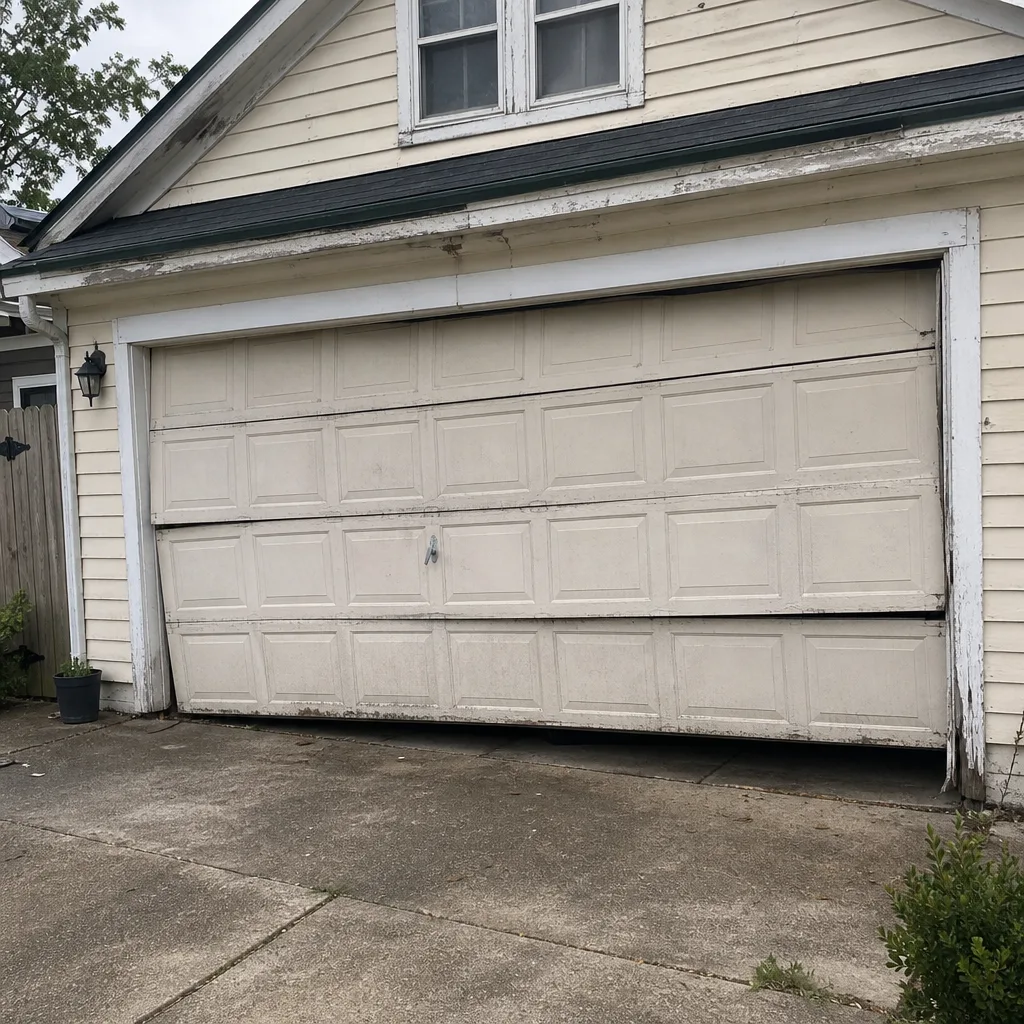
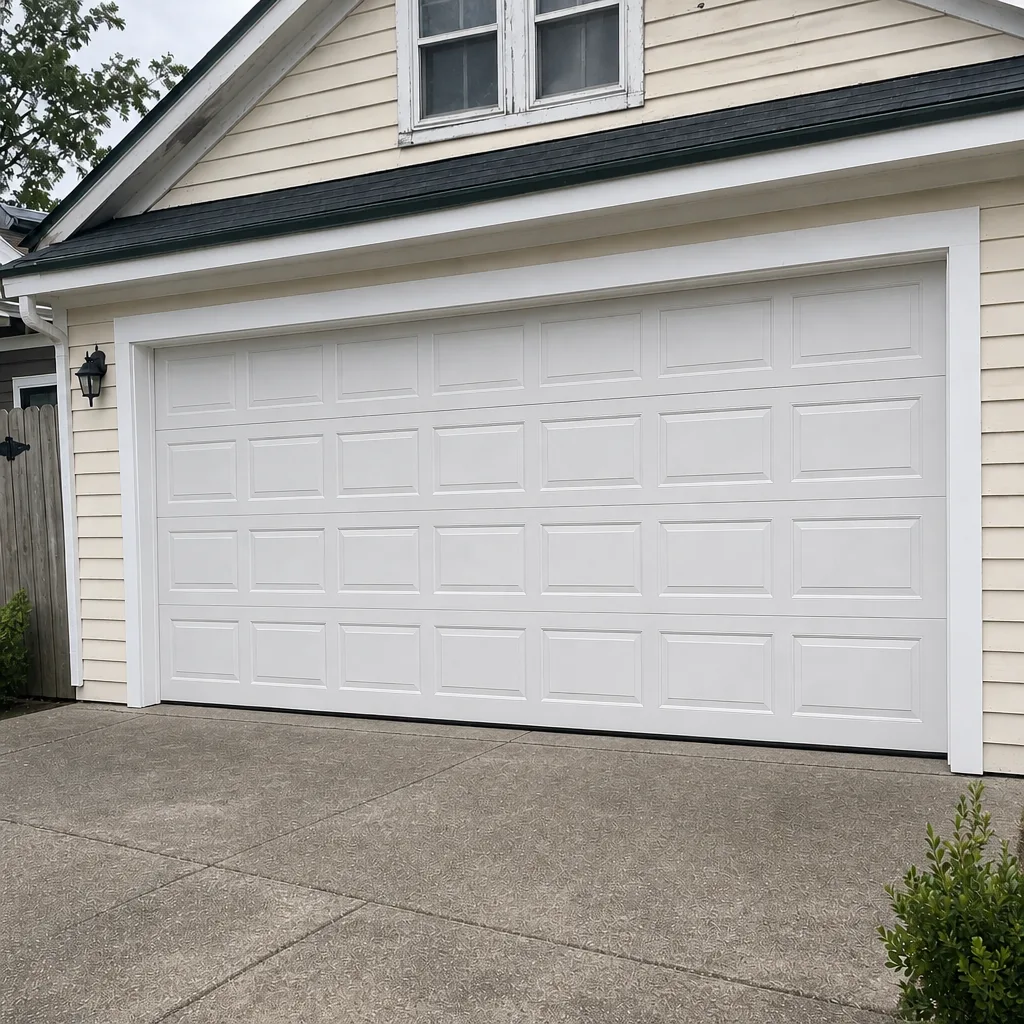
See the difference
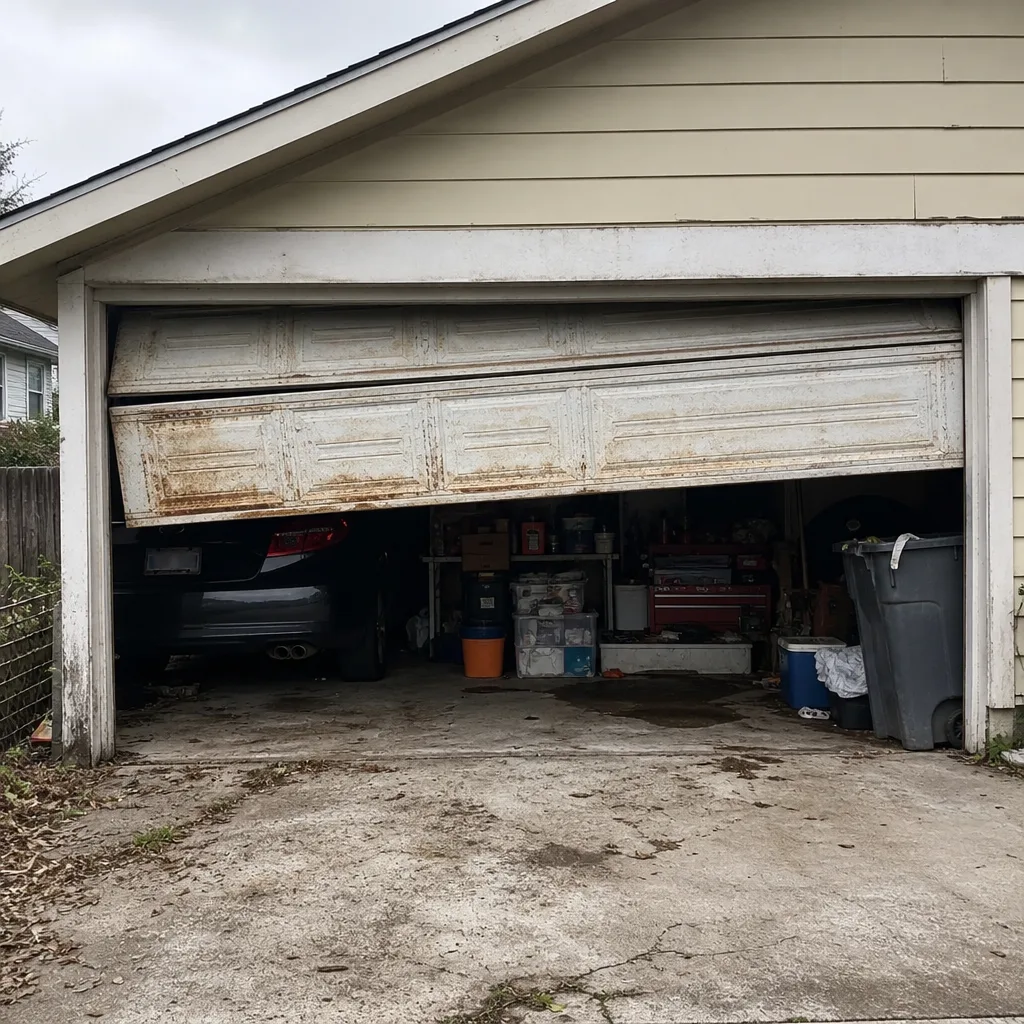 Before
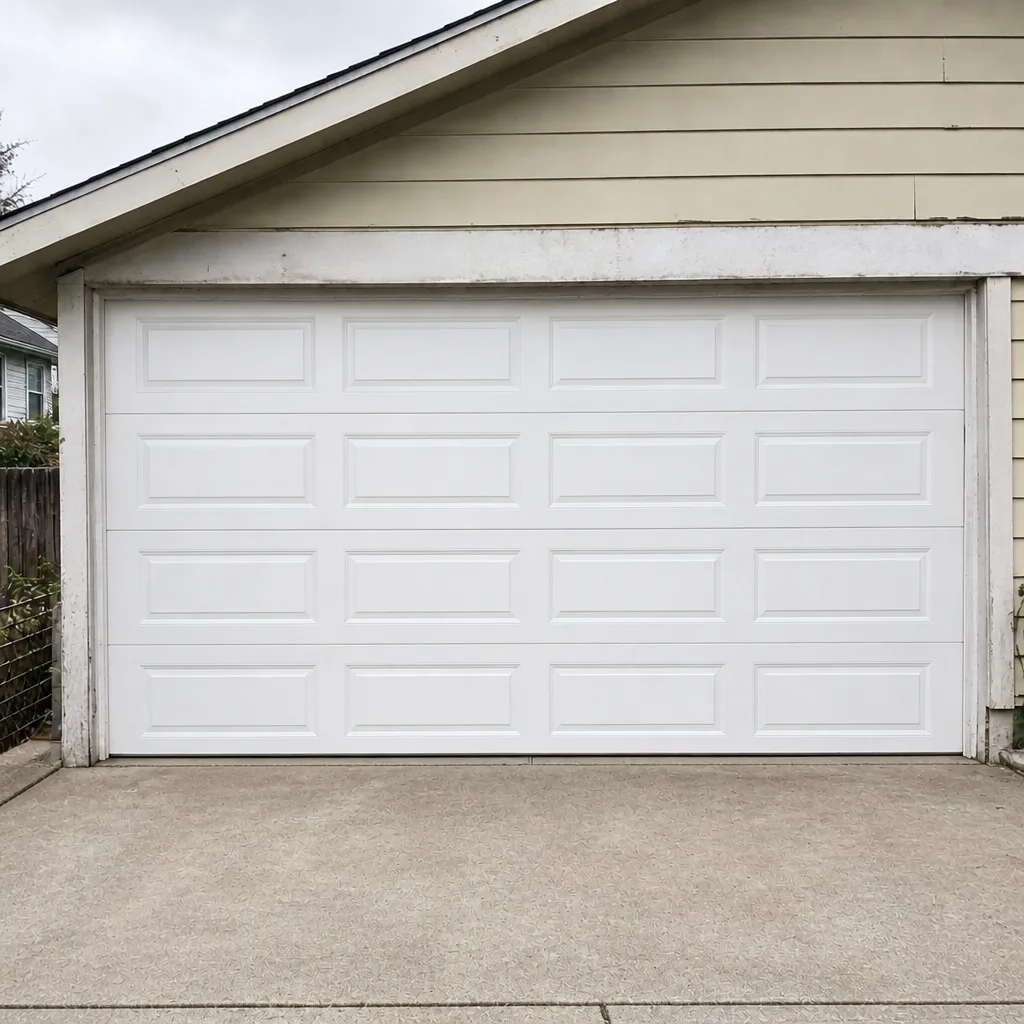 After
 Before
 After
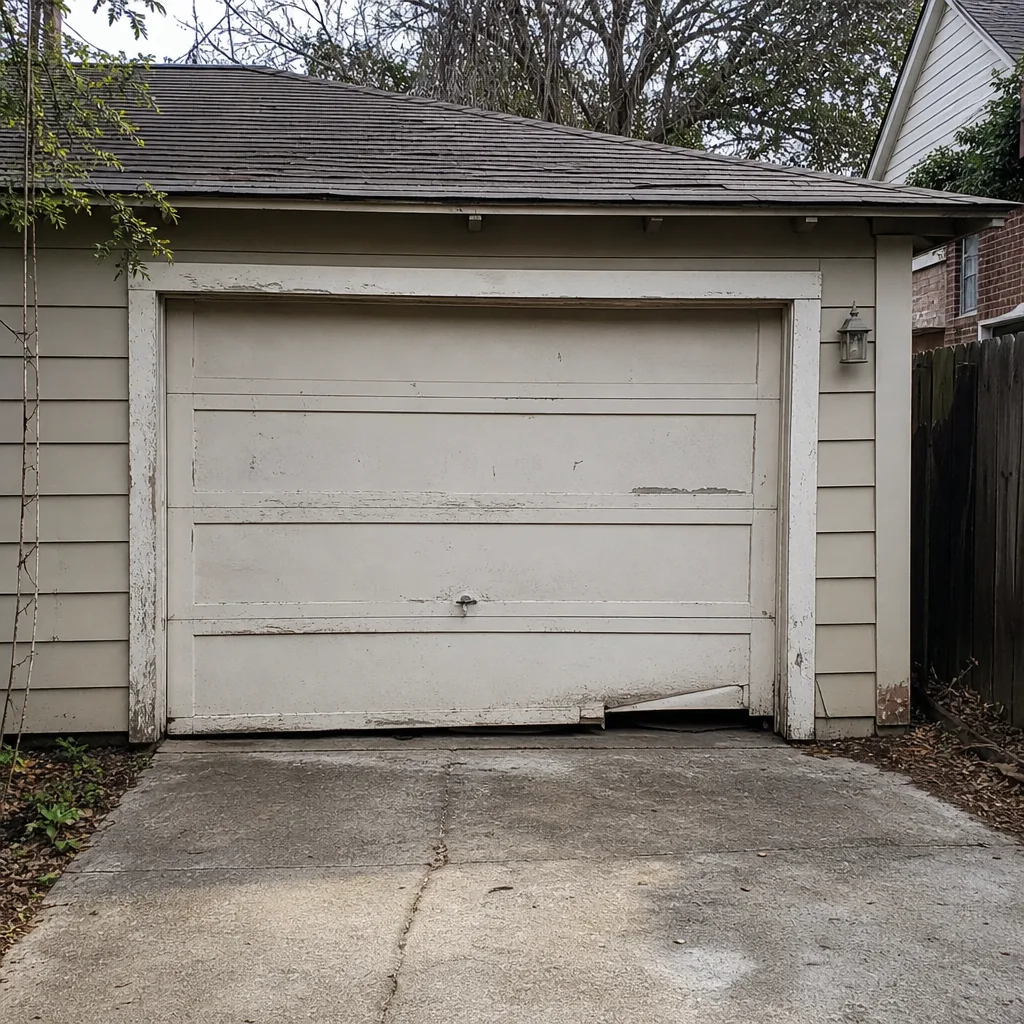 Before
 After
When to Call a Professional
You should call a garage door specialist, not a general handyman, for three situations. First, any spring or cable failure, because those carry real injury risk and the parts need to be matched to your door’s weight. Second, any work that involves changing the door itself or the full track and hardware assembly, because that’s where permitting and code compliance live. Third, any situation where your door, opener, or opener settings might be part of a sale or inspection, because you’ll want a specialist who understands what inspectors look for and can document the installation correctly.
For homeowners in The Heights who want to know where they stand before a permit or a sale gets complicated, we offer free estimates. Call (855) 784-2291. We answer 24/7, fast dispatch from 7am to 7pm, Sunday through Friday. Our technicians have up to 10 years of experience, every one of them working exclusively on garage doors, and every estimate is quoted and agreed in writing before any work starts.
Frequently Asked Questions
Usually yes, especially if the garage is street-facing or your home sits in a historic review area. Replacement is treated as an alteration to the structure, while straight repair like a spring or cable fix typically is not. Confirm with the City of Houston building department and any applicable historic preservation office before work begins. Call (855) 784-2291 for a free estimate that starts with these questions.
A building permit confirms the work meets code for structure and wind resistance. Historic review confirms the appearance fits the character of the neighborhood. Both can apply to the same door, and they’re handled by different parts of the city. If your property sits in a designated historic area, plan for both from the start. Call (855) 784-2291 if you want a specialist to walk through the scope with you.
Often yes. Many cities offer a retroactive or after-the-fact permit that lets you bring unpermitted work into compliance. The process typically involves pulling property records, submitting a retroactive application, providing documentation, and scheduling an inspection. Confirm the specifics with the City of Houston. Call (855) 784-2291 for a free estimate if a correction list is involved.
The required rating depends on your property’s location and the design wind speed for that area, not a single statewide number. What matters is that the door is rated for your site and that the installation follows the manufacturer’s instructions to the letter. Ask your installer for the wind documentation before the door is ordered. Call (855) 784-2291 to talk through the door selection.
Wind rating documentation, attachment to the wall and header, track alignment, spring hardware and safety devices, the bottom seal, and the operational test including opener settings. Failures most often trace back to a door that doesn’t match its spec or an install that skipped the manufacturer’s instructions. A specialist installer knows the spec before they start. Call (855) 784-2291 for a free estimate.
It can. Title searches and disclosure can surface unpermitted improvements, and a buyer’s lender or inspector may flag them, which can stall a closing while it’s resolved. The fix is usually a retroactive permit and inspection. Start the process well before you list. Call (855) 784-2291 if you’re not sure whether the door was permitted and want a specialist’s read on the install.
The Bottom Line
Garage door permitting in The Heights is a two-layer question: the City of Houston building permit for the structural and wind-rating side, and historic review for the appearance side if your property sits in a designated area. Repair usually falls outside both. Replacement usually doesn’t. The wind rating is site-specific, the install has to follow the manufacturer’s instructions for the rating to hold, and unpermitted work can surface at the worst possible time. The right move is the same on every job: ask the permit question before you order the door, ask for the wind documentation in writing, and use a specialist who works on garage doors and nothing else. If you’d rather have a specialist walk your specific address through this, that conversation starts with one call. Call (855) 784-2291 for a free estimate. We answer 24/7, fast dispatch from 7am to 7pm, Sunday through Friday. Every price is quoted and agreed in writing before any work begins.
Written by the team at Garage Door Repair The Heights.